
Silverfish Control & Extermination Services
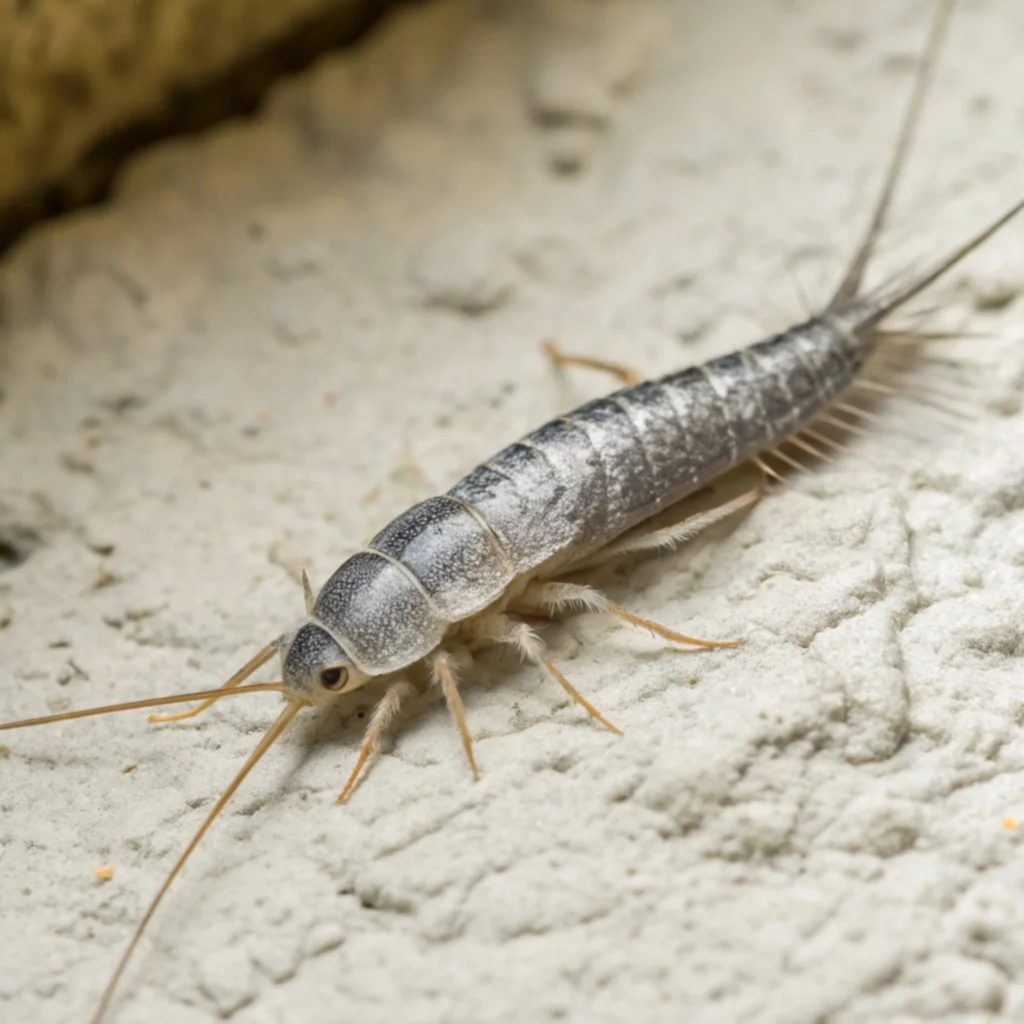
You pull an old cardboard box of files from the basement, or flick on the bathroom light in the middle of the night, and a fast, metallic, teardrop-shaped insect slithers across the floor.
Silverfish are ancient, resilient, and incredibly destructive to your personal property. Highly dependent on moisture, they thrive in the humid environments of Toronto and Mississauga homes. Pestisect provides targeted extermination protocols to eliminate silverfish populations and protect your property.
Get Free Quote
Fill out the form below and we’ll get back to you within 24 hours
Silverfish
Why Are Silverfish in My House?
Humidity
They cannot survive in dry environments. This is why they are almost exclusively found in damp basements, bathrooms (near drains and bathtubs), laundry rooms, and attics with unvented roof leaks.
Cellulose (Food)
Silverfish feed on starches and complex carbohydrates. In a modern home, this translates to an endless buffet of wallpaper glue, binding glue in old books, cardboard storage boxes, photographs, and important paper documents.
- Silverfish are known to survive for up to a year without eating, provided they have access to high humidity.
- They are incredibly ancient; fossils indicate that silverfish have existed on Earth for over 400 million years, predating dinosaurs.
- Silverfish are nocturnal and can run extremely fast, adopting a slithering, fish-like motion.
Consumer Control
Why Consumer Control Methods Fail
Scent Repellents Do Not Work
Aromatic repellants do not kill silverfish; they only force the insects migrating across the room to take a different path.
They Hide Too Deep
Silverfish bodies are paper-thin. They squeeze behind baseboards, beneath the gaps of bathtub caulking, and directly into the hollow wall voids where damp insulation exists. Surface sprays simply evaporate before reaching the nest.
Silverfish Extermination Process
The Pestisect Silverfish Protocol
Crack and Crevice Injectable Dust
Because silverfish live exclusively in tight, horizontal gaps, we do not spray the middle of your floor. We use specialized injection tips to force professional-grade silica dust deeply into the gaps under your baseboards, within sink vanities, and behind the dishwasher. As the silverfish slither through the dust, the silica abrasively damages their waxy outer shell, causing them to rapidly dehydrate and die.
Moisture Remediation Guidance
Pest control is a partnership. While we kill the active infestation, our technicians will pinpoint the exact areas of your home suffering from excessive humidity (e.g., lack of bathroom ventilation fans, weeping brick walls in the basement) so you can install dehumidifiers to stop future migrations permanently.
Targeted Botanical Sprays
For immediate knockdown of heavy populations congregating in storage closets or under bathroom sinks, we apply advanced residual sprays formulated for fast kill and long-lasting protection.
Frequently Asked Questions About Silverfish
Do silverfish climb into beds?
Can silverfish ruin my clothes?
Why do I see them in my bathtub?