Pestisect Pest Control

Pests We Treat in Toronto, Brampton & Mississauga

Expert identification and professional treatment for every pest found in Ontario homes and businesses.

Get Free Quote

Fill out the form below and we’ll get back to you within 24 hours
Contact Form

Learn About the Pests We Handle

Know Your Pest, Know Your Solution

Effective pest control starts with accurate identification. Different pest species require completely different treatment methods — what eliminates cockroaches won’t touch bed bugs, and misidentifying an ant species can result in a treatment that drives them deeper into walls rather than eliminating them.

Pestisect’s licensed technicians are trained to identify every pest species common to the Greater Toronto Area — not just visually, but by their behaviour, nesting patterns, and entry preferences. This allows us to apply the right treatment the first time.

Use the guide below to identify what you’re dealing with, then contact us for a professional assessment.

Identify

Learn to recognize pests

Prevent

Stop infestations early

Common Household Pests

Common Pests in the GTA

Click on any pest below to learn more about identification, behavior, and control methods.
ant

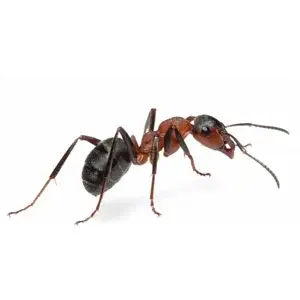
Ants

Species in Ontario: Pavement Ants, Carpenter Ants, Pharaoh Ants
Signs: Trails leading to food sources, sandy mound near foundation (pavement ants), wood shavings near timber (carpenter ants)
Risk: Carpenter ants cause structural damage by tunnelling into moist wood; Pharaoh ants are extremely difficult to eliminate without professional treatment
Best Action: Species-specific baiting and targeted residual treatment
mosquito

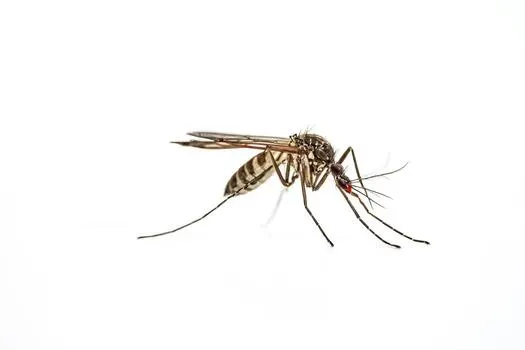
Mosquito

Species: Culex, Aedes, Anopheles, Floodwater Mosquitoes
Signs: Bites — especially at dawn, dusk, and night; buzzing sounds outdoors; standing water on the property
Risk: West Nile Virus transmission; severe outdoor nuisance reducing quality of life and business usability
Best Action: Source elimination + barrier spray + larvicide treatment
bed-bugs

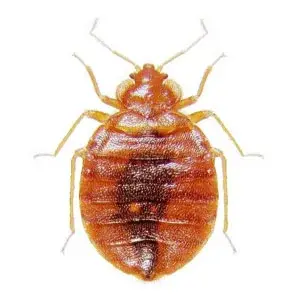
Bed Bugs

Signs: Rust-coloured blood spots on mattress seams, shed exoskeletons, bites in lines or clusters, sweet musty odour in heavy infestations
Risk: Rapid spread through shared walls, furniture, and clothing — one female lays up to 500 eggs in her lifetime
Best Action: Heat treatment and/or chemical treatment targeting all life stages — eggs, nymphs, and adults

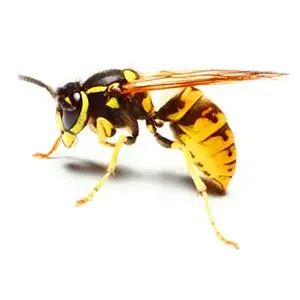
Bees/Wasps

Species: Yellow Jackets, Paper Wasps, Bald-Faced Hornets, Honey Bees
Signs: Papery grey nest in eaves, walls, or attic; increased wasp activity near a specific spot; underground nest entrance in yard
Risk: Wasp stings trigger severe allergic reactions (anaphylaxis) in some individuals; aggressive species attack without warning when disturbed
Best Action: Professional nest removal — disturbing a nest without protection is dangerous

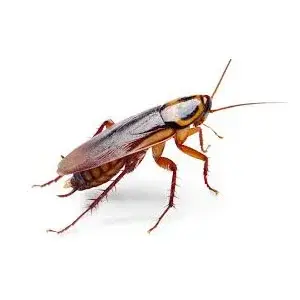
Cockroaches

Species in Ontario: German Cockroach (most common), American Cockroach, Oriental Cockroach
Signs: Droppings (look like coffee grounds), shed skins, egg casings, musty odour, greasy smear marks near baseboards
Risk: Cockroaches carry 33 types of bacteria including Salmonella and E. coli, triggering asthma and allergies
Best Action: Professional gel bait and residual treatment — cockroaches develop resistance to store-bought products rapidly

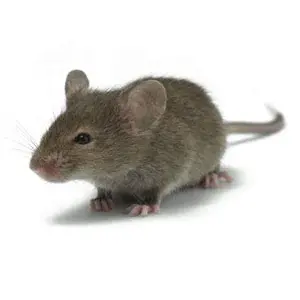
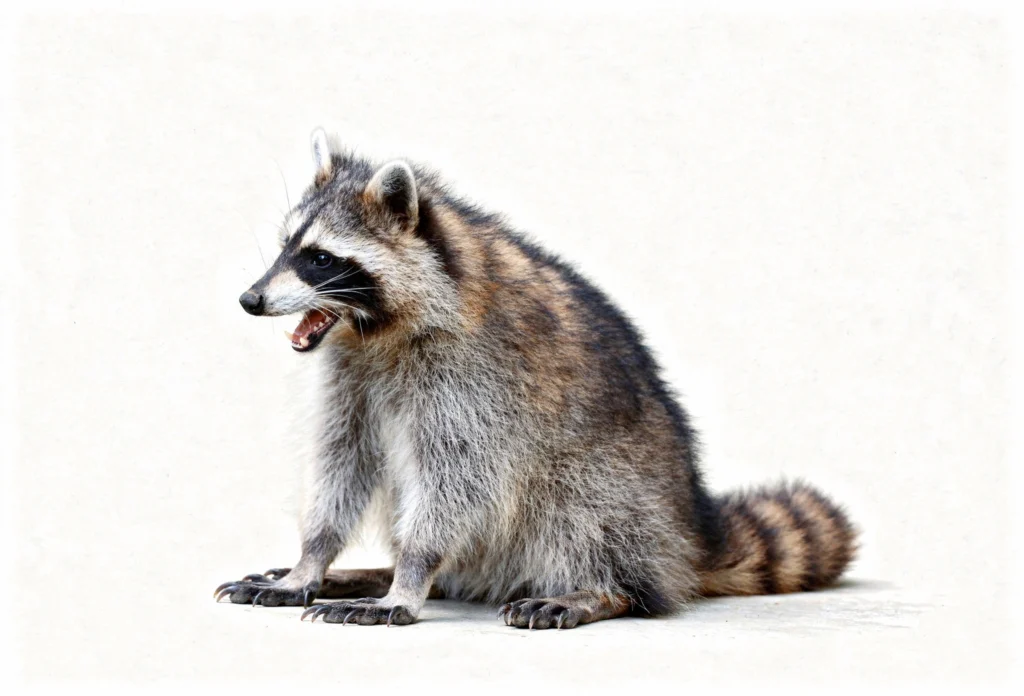
Mice/Rats

Species: Norway Rat (sewer rat), Roof Rat, House Mouse, Deer Mouse
Signs: Droppings along walls, gnaw marks on food packaging and wood, scratching sounds at night, nesting material in hidden areas
Risk: Structural damage from gnawing on wiring (fire risk), contamination of food and surfaces, disease transmission (Hantavirus in mice, Leptospirosis in rats)
Best Action: Trapping + exclusion sealing — poison baiting alone without sealing guarantees re-infestation
spider-control

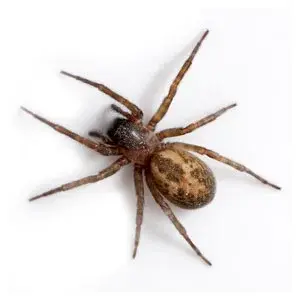
Spiders

Species: Common House Spider, Wolf Spider, Cellar Spider, Orb Weaver
Signs: Webs in corners, along window frames, and in basement areas; egg sacs in hidden locations
Risk: Most Ontario spiders are harmless, but bites from some species cause irritation; heavy infestations indicate a larger underlying pest problem (spiders follow their food source)
Best Action: Perimeter spray + addressing the underlying prey insect population

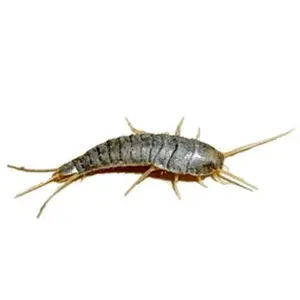
Silverfish

Signs: Irregular holes in paper, books, wallpaper, and fabric; silver-grey fish-shaped insects found in damp, dark areas
Risk: Property damage to books, documents, wallpaper, clothing, and stored goods; indicator of high humidity conditions favouring other pests
Best Action: Dehumidification guidance + residual spray in affected areas

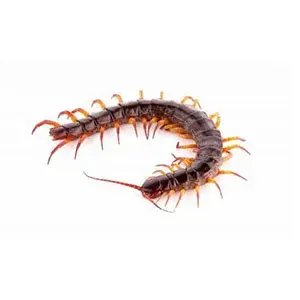
Centipede/Millipede

Species: Centipedes & Millipedes
Signs: Found in damp areas like basements, bathrooms, and under sinks; fast-moving (centipedes) or slow curled (millipedes)
Risk: Mostly harmless but can be disturbing; centipedes may bite if handled
Best Action: Reduce moisture + seal entry points + apply perimeter treatment

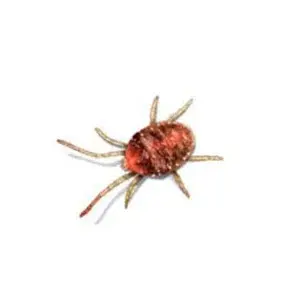
Clover Mites

Species: Clover Mites
Signs: Tiny red bugs on windowsills and walls; leave red stains when crushed
Risk: Harmless to humans but become a nuisance in large numbers
Best Action: Exterior barrier treatment + sealing cracks around windows/doors

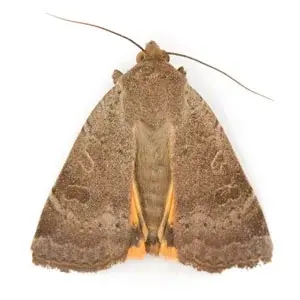
Moths

Species: Clothes Moths (Webbing, Casemaking)
Signs: Small holes in clothes; larvae in dark closets; silky webbing on fabrics
Risk: Damage to natural fabrics like wool, silk, and carpets
Best Action: Deep cleaning + vacuuming + storing clothes in sealed containers + targeted treatment
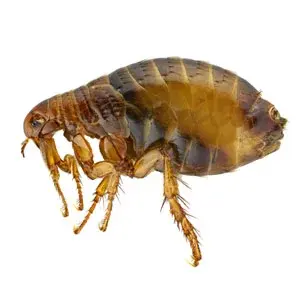
fleas

Flies

Species: Fleas (Cat Flea, Dog Flea)
Signs: Pets scratching excessively; tiny black droppings (flea dirt) on pet bedding; bites on ankles/legs
Risk: Cause itching, allergic reactions, and can spread diseases; fast reproduction leads to quick infestation
Best Action: Treat pets + indoor treatment (carpets, bedding) + outdoor yard control

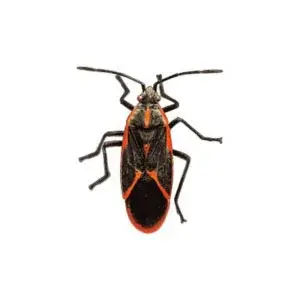
Box Elder Bugs

Species: Box Elder Bugs
Signs: near windows, doors, and sunny walls; black bugs with red lines
Risk: Harmless but invade homes in large numbers during seasonal changes
Best Action: Exterior perimeter spray + sealing entry points

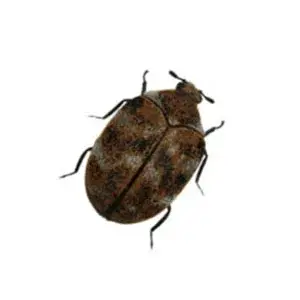
Beetles

Species: Beetles (Grain, Flour, Carpet)
Signs: Found in pantry items, carpets, or fabric; larvae in stored food or fibers
Risk: Contaminate food and damage fabrics
Best Action: Remove infested items + deep cleaning + storage in airtight containers + targeted pest control
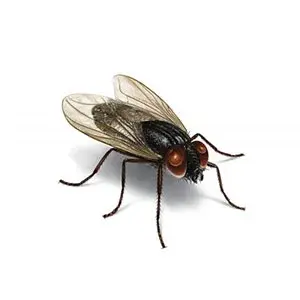
flies pest

Flies & Fruit Flies

Species: Flies & Fruit Flies
Signs: Small flies around garbage, drains, or fruits; rapid increase in numbers
Risk: Spread bacteria and contaminate food
Best Action: Remove food sources + clean drains + use traps + sanitation + residual treatment

Note: Don’t see your pest listed? Call us at (647) 924-2753 — if it’s a pest in Ontario, we’ve treated it.

Pest Identification Matters

Why Different Pests Need Different Treatments

Not all pests behave the same way, and not every infestation can be solved with a general treatment approach. Some pests hide deep inside walls or furniture, while others nest outdoors and enter through small gaps and openings.

Proper identification helps determine where pests are active, how serious the infestation may be, and which treatment method is most effective. That is why professional inspection and targeted service are important for better long-term results.

why-choose-us

Pest Identification FAQ

How do I know if I have bed bugs or just mosquito bites?
Bed bug bites typically appear in lines or clusters on skin exposed during sleep (arms, shoulders, neck, legs). Mosquito bites are more randomly distributed and usually accompanied by immediate swelling. Bed bugs leave rust-coloured spots on mattress seams and shed their exoskeleton as they grow. If you suspect bed bugs, do not wait — call us for a professional inspection.

Carpenter ants are black or reddish-black and have a pinched waist; they tunnel through wood but do not eat it. Termites are pale, soft-bodied, and eat wood. Carpenter ants shed wings seasonally; termites swarm in large numbers. If you see large black ants or shed wings near wood structures, contact us immediately.

Warm weather activates ant colonies and sends scouts searching for food. If ants return annually, it indicates an established outdoor colony near your foundation with reliable access points into your home. A professional treatment addresses both the colony and the entry points.
No. German cockroaches (the most common indoor species) are transported into homes through grocery bags, cardboard boxes, and second-hand appliances — not through poor hygiene alone. Once inside, they multiply rapidly regardless of cleanliness. An infestation is not a reflection on the homeowner.
pestisects_model-bottom

Ready to Identify and Eliminate Your
Pest Problem?

If you are noticing signs of pest activity in your home or business,
Pestisect Pest Control is ready to help.