
Mosquito Control in the GT
Get Free Quote
Fill out the form below and we’ll get back to you within 24 hours
Mosquito Problem
Why Mosquitoes Are a Serious Problem in the GTA
Ontario mosquitoes aren’t just a summer nuisance. Culex mosquitoes in the Greater Toronto Area are confirmed carriers of West Nile Virus, which the province actively monitors each season. Beyond public health, mosquito pressure in urban and suburban areas dramatically reduces enjoyment of outdoor spaces, impacts business patio revenue, and creates real discomfort for residents and their families.
Industry Fast Facts:
- A single female mosquito can lay up to 300 eggs in a single batch, in as little water as a puddle on a plastic bag.
- The mosquito lifecycle from egg to biting adult takes just 8–10 days during peak summer heat.
- Only female mosquitoes bite. They require the protein from blood to develop their eggs. Male mosquitoes strictly feed on flower nectar.
Professional mosquito control targets both the adult population and the breeding cycle — the only way to achieve meaningful, lasting reduction.
Common Mosquito
Mosquito Species Active in Ontario
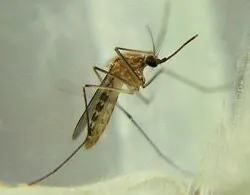
Culex Mosquitoes (Culex pipiens / Culex restuans)
Behaviour: Primarily nocturnal; most active from dusk to dawn. Common in urban and suburban areas throughout the GTA.
Breeding Sites: Stagnant water in drains, clogged gutters, garden pots, rain barrels, and neglected pools or water features.
Health Risk: Primary West Nile Virus vector in Ontario. The province conducts annual Culex monitoring across the GTA.
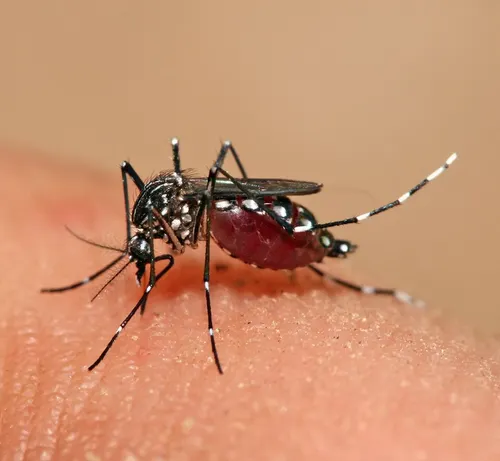
Aedes Mosquitoes (Aedes albopictus / Aedes vexans)
Behaviour: Aggressive daytime biters — unlike Culex, they are active throughout the day. Found around homes, gardens, and patio areas.
Behaviour: Aggressive daytime biters unlike Culex, they are active throughout the day. Found around homes, gardens, and patio areas.
Health Risk: Aedes species are vectors for multiple diseases globally; Aedes vexans is the primary nuisance biting mosquito in Ontario.
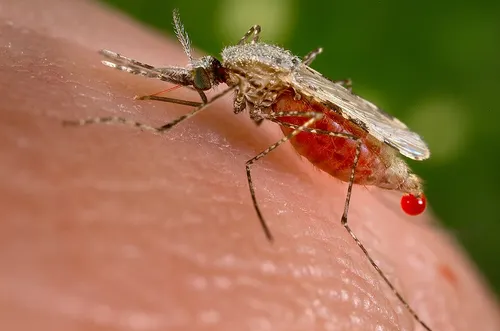
Floodwater Mosquitoes (Aedes canadensis / others)
Behaviour: Strong fliers — can travel up to 15km from breeding sites. Aggressive biters, active during daylight hours. Appear in large numbers 5–7 days after significant rainfall or snowmelt.
Breeding Sites: Temporary pools from heavy rain, snowmelt, or flooding — low lawn areas, ditches, open land.
Outdoor comfort
Why Outdoor Comfort and Business Usability Matter
For Homeowners
Mosquito pressure during June–September effectively eliminates outdoor living. Evenings on the deck, children playing in the garden, weekend barbecues — all become uncomfortable and impractical without intervention.
For Restaurants & Patios
Outdoor dining revenue is directly tied to the comfort of the dining experience. One mosquito-heavy evening drives customers inside — or to a competitor across the street. Seasonal mosquito programs are one of the best investments GTA restaurant owners can make for patio revenue.
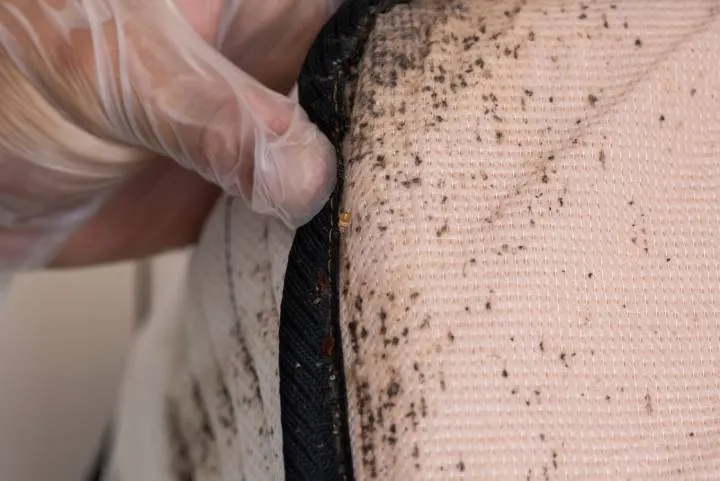
Mosquito Attract
What Attracts Mosquitoes to Your Property
🚫
Standing water
🌿
Dense vegetation
💡
Overgrown gutters
🪟
Shaded, low areas
🧴
Uncovered water features
Our Mosquito Treatment Process
How Pestisect Treats Mosquitoes
Property Inspection
We walk the full property identifying standing water sources, breeding sites, dense resting vegetation, and structural conditions contributing to mosquito pressure.
Source Elimination
We eliminate or treat every identified breeding site. Non-removable water features (such as permanent ponds) are treated with larvicide that kills larvae without harming fish, birds, or beneficial insects.
Barrier Spray Application
A targeted residual spray is applied to the underside of foliage, shaded areas, fence lines, and perimeter vegetation where adult mosquitoes rest. This knocks down the adult population immediately and continues working for 3–4 weeks.
Service Areas for Mosquito Control
Frequently Asked Questions — Mosquitoes
What time of year are mosquitoes worst in Ontario?
Can mosquitoes breed in my backyard?
How many treatments do I need per season?
Will mosquito treatment affect bees or butterflies?
Can I do anything to reduce mosquitoes myself before treatment?