
Spider Control in Toronto
Toronto’s proximity to Lake Ontario, its massive ravine network, and its older housing stock create the perfect environment for spiders.
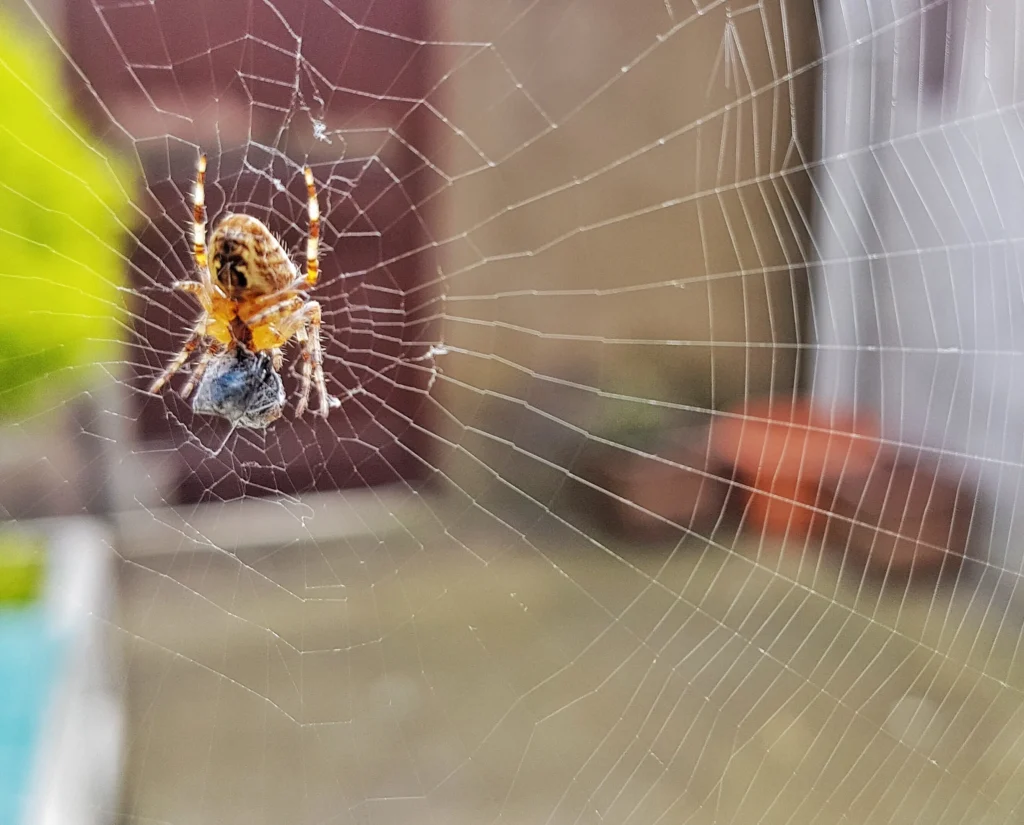
While most spiders in Toronto are harmless to humans, they become a significant nuisance when they take over the exterior of your home or move into your living spaces in large numbers. Exterior spiders cover your porch, windows, and security cameras with sticky webbing that traps dirt and looks terrible. Interior spiders, particularly cellar spiders, thrive in the damp basements common in older Toronto neighbourhoods like the Annex, Cabbagetown, and Riverdale.
Pestisect provides comprehensive spider control for Toronto homes and businesses. We offer exterior perimeter sprays to keep webbing off your house and targeted interior treatments to eliminate basement and living area infestations.
Get Free Quote
Fill out the form below and we’ll get back to you within 24 hours
Common spiders
The Common Spiders in Toronto
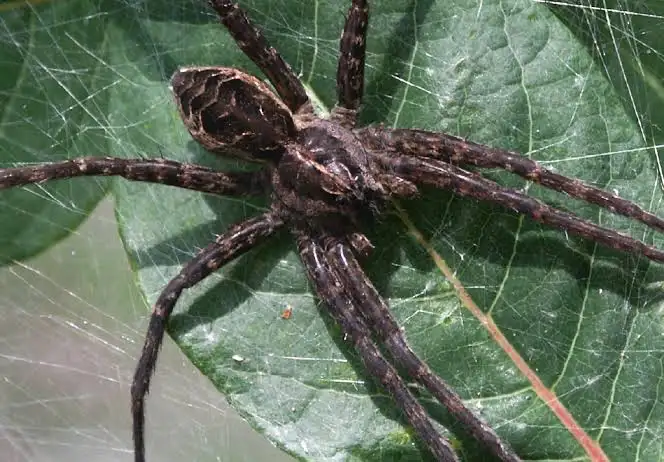
The Dock Spider (Fishing Spider)
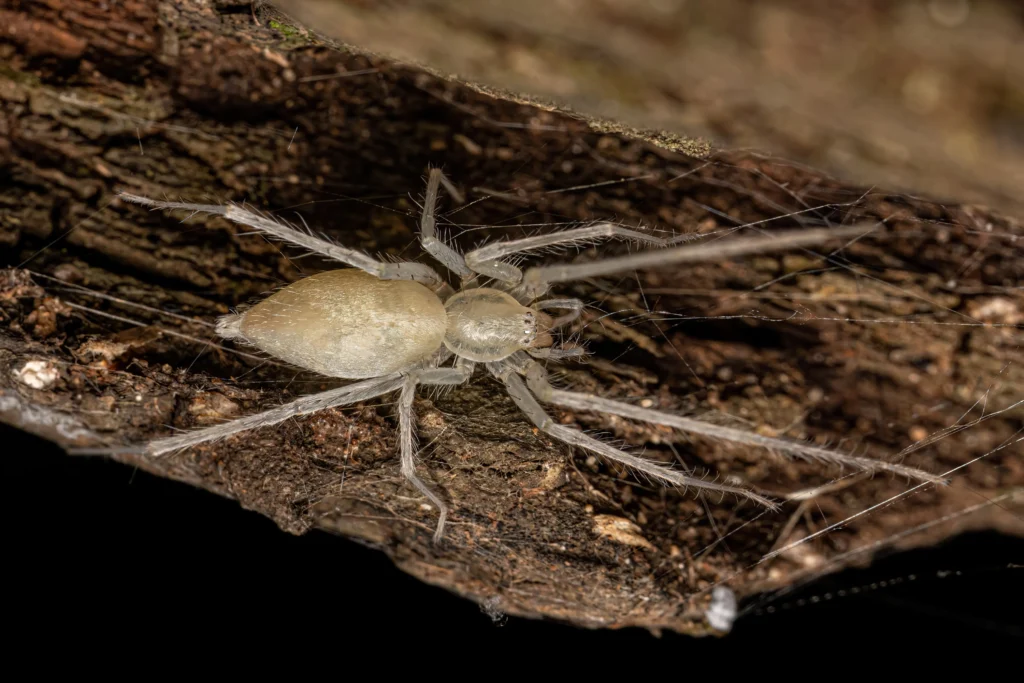
The Cellar Spider (Often called "Daddy Longlegs")
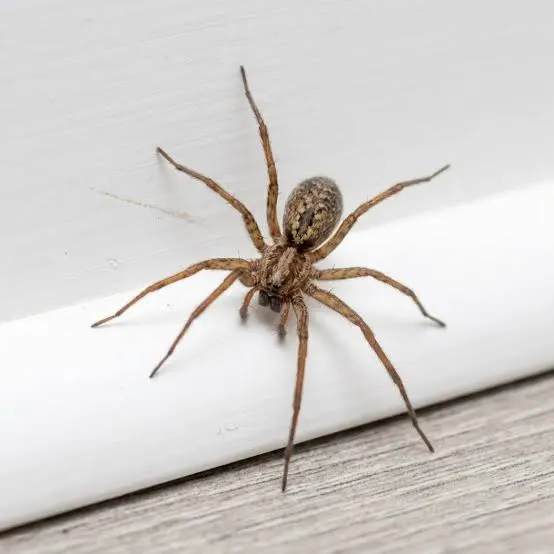
The House Spider
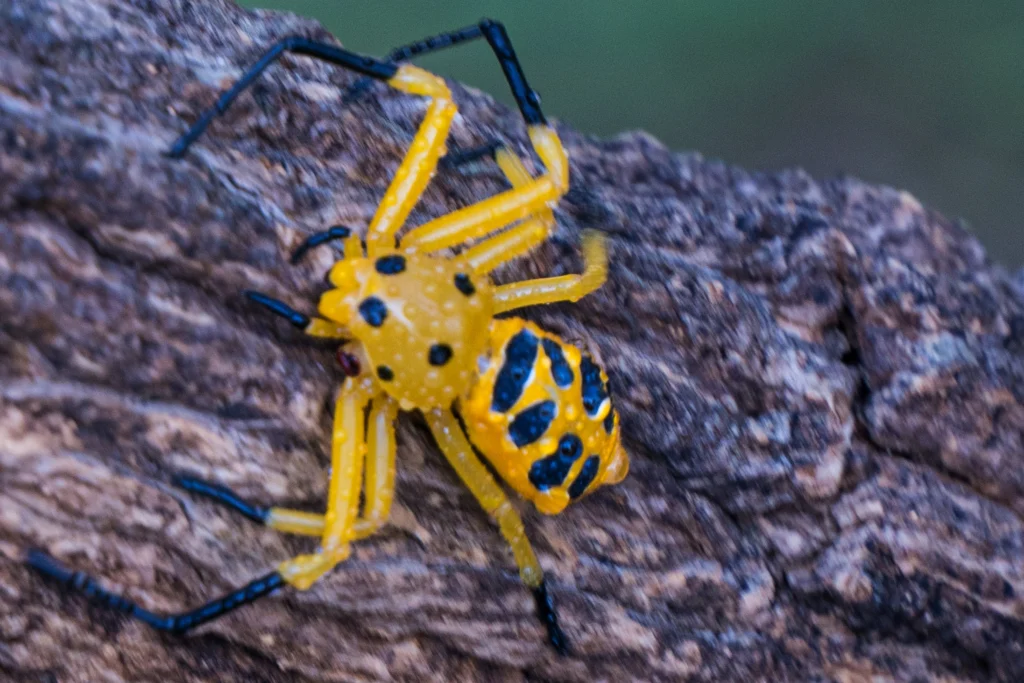
The Yellow Sac Spider
Note: Black Widows and Brown Recluses are not native to Toronto. While they occasionally hitchhike in produce or shipping crates, there are no established populations here
Spiders
Why Toronto Homes Get So Many Spiders
Proximity to Water & Ravines
Spiders go where the food is. Areas near Lake Ontario or the ravine system have massive populations of midges, mosquitoes, and flies. Spiders build webs on the exterior of homes in these areas to catch this abundant food source.
Exterior Lighting
Many modern Toronto homes feature extensive exterior lighting (pot lights in soffits, bright porch lights). These lights attract flying insects at night, which in turn attracts spiders. The spiders build webs directly over the light fixtures to catch the drawn-in bugs.
Older Basements
Toronto is full of century homes with rubble foundations or older poured concrete that leaches moisture. Damp, dark basements provide the perfect habitat for cellar spiders and house spiders to breed year-round.
Spider control
Our Spider Control Process
Exterior Perimeter Treatment (Spring & Summer)
Exterior spiders are a major complaint in Toronto, especially near the lake. We use an extending web-sweeper brush to physically remove all webs, egg sacs, and live spiders from your eaves, window frames, door frames, and porch ceilings. Then, we apply a professional-grade, micro-encapsulated residual spray around the perimeter of your home. This spray is applied to the foundation, window frames, soffits, and under the eaves. When a new spider tries to attach a web to a treated surface, the residual product eliminates them. This treatment lasts for 60 to 90 days.
Interior Treatment (Year-Round)
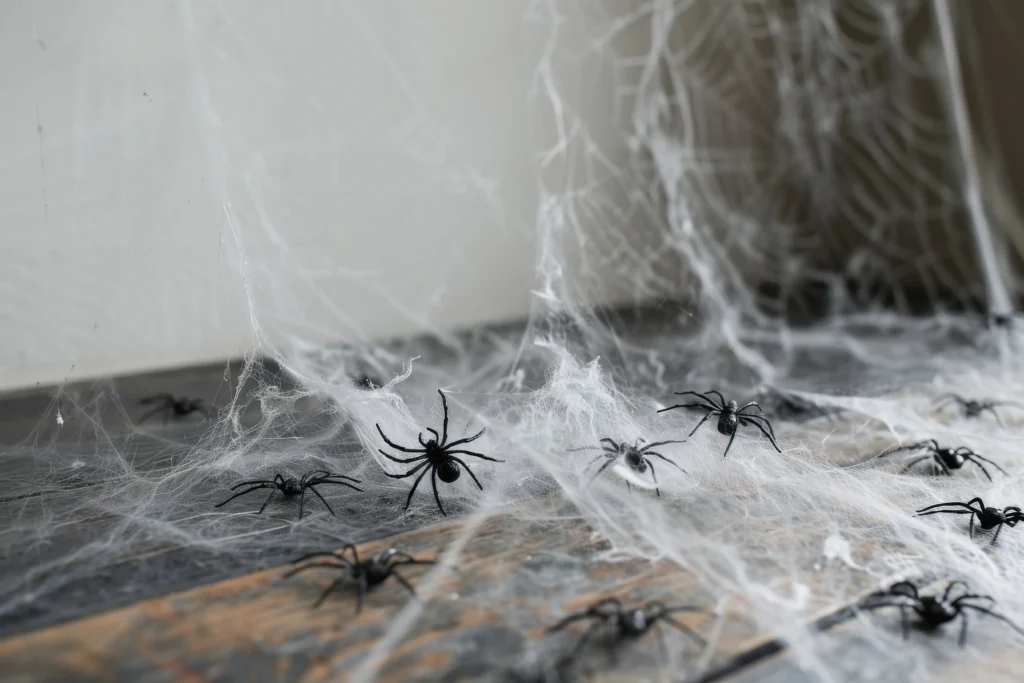
For interior infestations (like a basement overrun with cellar spiders), we first physically sweep down the webs. Then, we apply a targeted crack-and-crevice spray along the baseboards, in the corners where the wall meets the ceiling, and behind heavy furniture or storage racks. We also use insect monitor traps (glue boards) placed discreetly in corners to catch hunting spiders (like Yellow Sac spiders) that don't stay in webs.
Moisture & Lighting Recommendations
Because spiders follow their food, we will advise you on environmental changes. We often recommend switching exterior bulbs to yellow "bug lights" (which attract fewer flying insects) and using a dehumidifier in older Toronto basements to make the environment less hospitable to spiders and their prey.
spider pattern
Toronto Neighbourhood Spider Patterns
The Beach, Leslieville, Harbourfront: Extreme exterior spider pressure from May to September. Spiders spin massive webs over windows and balconies to catch the midges blowing off Lake Ontario. Exterior residual spray is highly recommended.
The Annex, Cabbagetown, Riverdale: Century homes with deep, damp basements. Interior cellar spider complaints are the primary issue here. Crack-and-crevice treatments combined with dehumidification work best.
High Park, Rosedale: Proximity to mature trees and ravines brings a mix of large hunting spiders (like Dock spiders) and exterior web-builders.
Frequently Asked Questions
Are the products you use safe for my pets?
Will one spray get rid of spiders forever?
I heard Toronto has Black Widow spiders. Is that true?
Why do I get so many spiders in my new Toronto condo?
Can you spray my boathouse or dock at the cottage?
Related Services
Get Expert Rat & Mice Removal in Toronto Today
Don’t let rats and mice take over your property. Our professional pest control team in Toronto is ready to provide fast, effective, and long-lasting solutions.