
Bed Bug Treatment in Toronto
Bed bugs don’t care how clean your home is. They don’t come because of dirt, clutter, or bad housekeeping. They come because someone you, a guest, a neighbour carried them in. And in a city where 2.9 million people ride the TTC, stay in hotels, move between apartments, and buy used furniture on Marketplace that happens constantly.
Toronto consistently ranks among Canadian cities with the highest bed bug activity. The combination of dense multi-unit housing, high population mobility, and a massive short-term rental market creates conditions that keep bed bugs circulating year-round.
Pestisect treats bed bugs in Toronto apartments, condos, detached homes, hotels, and rooming houses. We don’t guess we inspect first, confirm the species, assess the severity, and then recommend the treatment method that fits your situation.
Get Free Quote
Fill out the form below and we’ll get back to you within 24 hours
bed bug
How Bed Bugs Get Into Toronto Homes
Public transit: The TTC carries over 1.6 million riders on an average weekday. Bed bugs can transfer from an infested person’s clothing or bag to a seat, and from that seat to you. It’s not common, but it happens and it only takes one pregnant female to start an infestation.
Public transit: The TTC carries over 1.6 million riders on an average weekday. Bed bugs can transfer from an infested person’s clothing or bag to a seat, and from that seat to you. It’s not common, but it happens and it only takes one pregnant female to start an infestation.
Shared buildings: Toronto has roughly 350,000 apartment and condo units. In multi-unit buildings, bed bugs travel between units through wall voids, electrical outlets, plumbing penetrations, and shared laundry facilities. An infestation in unit 807 can seed unit 907 within weeks and neither tenant sees a bug in the hallway.
Hotels, Airbnbs, and short-term rentals: Toronto has over 20,000 active short-term rental listings. Every one is a potential exposure point. Bed bugs are found in five-star hotels and budget motels alike it’s not about cleanliness, it’s about turnover. High guest turnover means higher exposure risk.
Used furniture and clothing: That couch someone’s giving away on Facebook Marketplace? The vintage dresser from a Kensington Market shop? Both can carry bed bugs. Toronto’s active secondhand market is a constant re-introduction pathway.
University move-in season: Every September, tens of thousands of students move into shared housing near U of T, Ryerson (TMU), York, and other campuses. Furniture and belongings arrive from across Canada and internationally and some of it arrives with bed bugs.
Have bed bug
How to Know If You Have Bed Bugs
Physical signs on your body:
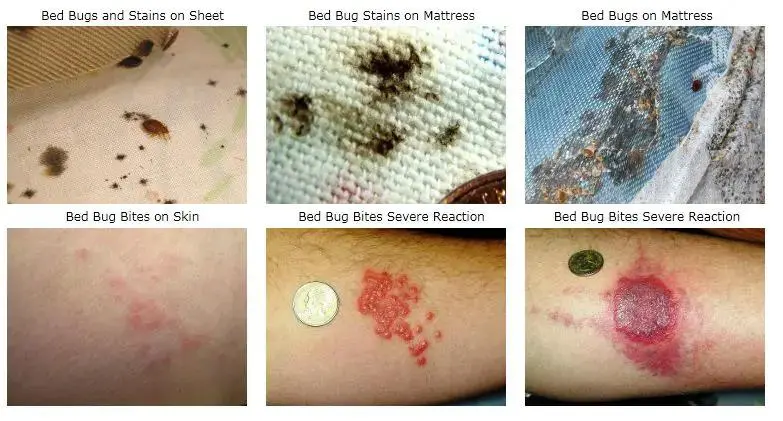
- Small, red, itchy bites in clusters or lines — often on arms, shoulders, neck, and face
- Bites that appear overnight and weren’t there when you went to bed
Note: about 30% of people don’t react to bed bug bites at all — absence of bites doesn’t mean absence of bugs
Signs on your bed and furniture:
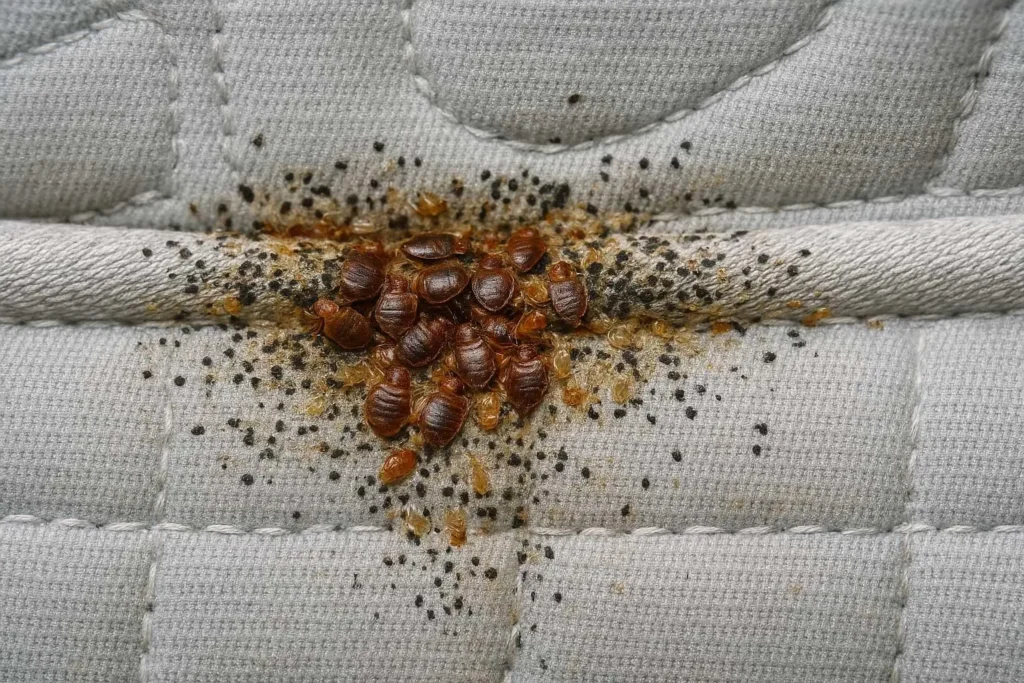
- Small dark spots (fecal stains) on sheets, pillowcases, or mattress seams these look like someone touched a felt-tip pen to the fabric
- Tiny white eggs or shed skins in mattress seams, box spring folds, and headboard crevices
- A sweet, musty odour in the bedroom this indicates a larger, established infestation
- Live bugs: flat, oval, reddish-brown, about 4–5mm roughly the size of an apple seed
Where to check:
- Mattress seams, especially at the corners and along piping
- Box spring lift the dust cover and check the staple lines and wood frame
- Headboard remove it from the wall and check the back
- Nightstand drawers and the underside of the nightstand itself
- Electrical outlet covers near the bed remove the plate and check inside
our method
Bed Bug Treatment Options We Use in Toronto
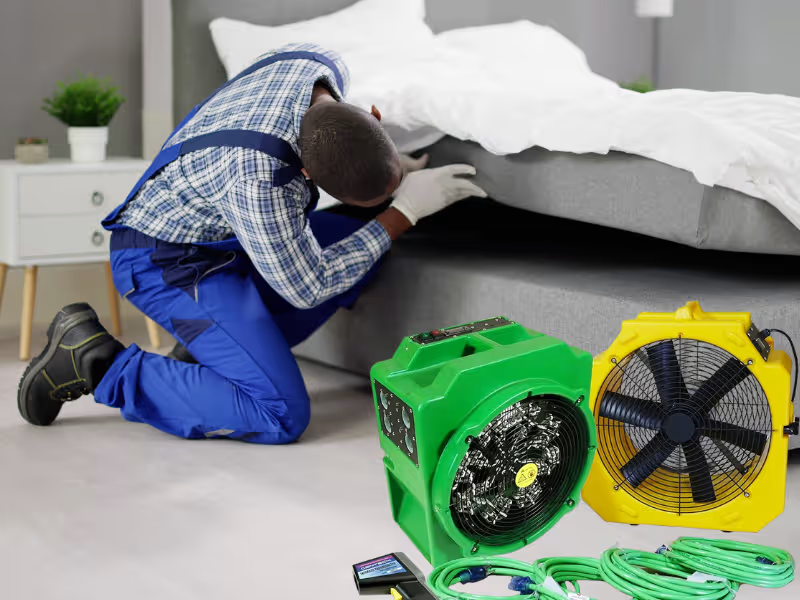
Heat Treatment — Thermal Remediation
Best for: Severe infestations, entire-unit treatments, situations where you want same-day resolution, and properties with bed bug–resistant strains that don’t respond to chemical treatment alone.
What it involves: We raise the temperature of the affected space to 50–60°C (122–140°F) and hold it for several hours. At these temperatures, all life stages — adults, nymphs, and eggs — are killed. No chemicals required.
Advantages: Kills bed bugs at all life stages in a single treatment, including eggs (which chemical treatment cannot penetrate). No chemical residue. Can treat the entire contents of a room in place mattress, furniture, clothing, everything.
Limitations: Requires significant setup time. Some items (candles, medications, electronics with batteries) must be removed. Not all Toronto buildings can support the electrical load older wiring in pre-war homes and some apartment buildings may require an alternative approach.
Timeline: Single-day treatment. Most rooms take 6–8 hours of heat exposure.

Chemical Treatment — Targeted Residual Application
Best for: Single rooms, moderate infestations, situations where heat treatment isn’t feasible (some older Toronto buildings can’t support the electrical load).
What it involves: We apply residual insecticide to all cracks, crevices, seams, and harbourage areas where bed bugs hide. This includes mattress and box spring seams, bed frame joints, baseboards, electrical outlets, and furniture crevices. The residual product continues to kill bed bugs that cross treated surfaces for weeks after application.
What you need to do: Wash and dry all bedding and clothing on high heat before treatment. We provide a detailed preparation checklist.
Timeline: Two treatments spaced 10–14 days apart. The first kills active bugs and nymphs; the second kills any nymphs that hatched from eggs in between.
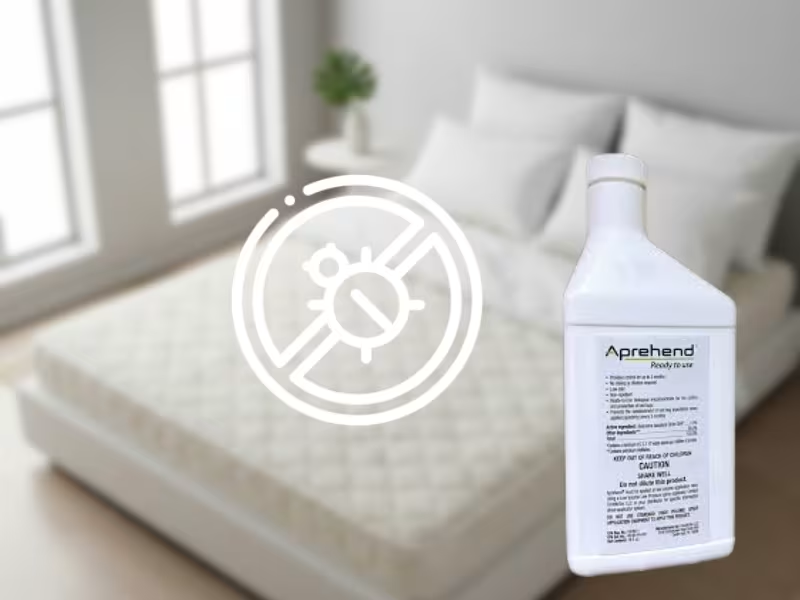
Combined Approach — Our Most Common Recommendation
Bed bug
Bed Bugs in Toronto Apartments and Condos
Multi-unit buildings are where bed bug problems get complicated because your unit doesn’t exist in isolation.
How they spread between units:
Through shared wall voids
bed bugs travel along electrical wiring and plumbing inside walls
Through electrical outlets
the back of your outlet box connects to your neighbour's wall
Through baseboards and door frames
gaps in older Toronto buildings provide direct pathways
Through shared laundry rooms
bed bugs can transfer on clothing and linens in shared machines
What we recommend for multi-unit buildings:
- Treat the affected unit thoroughly (chemical + targeted heat)
- Inspect adjacent units both sides, above, and below
- Coordinate with property management for building-wide awareness
- Install mattress encasements on all beds in the affected unit to trap any remaining bugs

What Toronto tenants should know:
Under Ontario’s Residential Tenancies Act, bed bug treatment in rental units is the landlord’s responsibility. Your landlord cannot charge you for treatment, refuse to treat, or try to evict you because you reported bed bugs. If your landlord is unresponsive, you can contact the City of Toronto’s 311 service to file a complaint, or apply to the Landlord and Tenant Board.
The City of Toronto also requires landlords to hire licensed pest control operators for bed bug treatment — DIY treatment by the landlord does not satisfy the obligation.
Expect
After Treatment — What to Expect
First 24–48 hours
You may still see some live bed bugs. This is normal bugs that were hiding in deep crevices are now crossing treated surfaces. The residual product will kill them over the next several days.
Week 1–2
Activity should decrease significantly. You may see dead bugs or find bugs that appear sluggish and disoriented that's the treatment working.
Day 10–14 (second treatment visit)
We return to treat again. This second visit targets any nymphs that hatched from eggs between treatments. Bed bug eggs take 6–10 days to hatch, and most chemical products don't penetrate the egg shell this second treatment catches them.
Week 3–4
If no new activity is observed, the infestation is resolved. We recommend keeping mattress encasements in place for at least 12 months as a monitoring tool.
BEd bug patterns
Toronto Neighbourhood Bed Bug Patterns
Downtown Core, Yonge-Dundas, Church-Wellesley
High density, high turnover, active short-term rental market. Bed bug calls are year-round and concentrated in older apartment buildings and rooming houses.
CityPlace, Liberty Village, Fort York
Newer condo buildings with high tenant turnover and active Airbnb use. Bed bugs travel between units through modern construction that still has shared wall cavities and electrical conduit pathways.
Parkdale, Regent Park, Moss Park
Some of Toronto's highest bed bug density areas. Older housing stock, multi-unit buildings, and populations with limited pest control access create persistent re-introduction cycles. Community health organizations in these areas actively distribute bed bug information and support Pestisect works with several of them.
Annex, Harbord, near U of T
Student housing is a significant bed bug vector. September move-in season typically triggers a wave of calls. Shared houses with high roommate turnover are particularly vulnerable.
North York, Scarborough, Etobicoke
Bed bug activity mirrors the broader GTA pattern concentrated in apartment buildings and spread through used furniture and personal contact. Newer suburban homes see fewer cases but are not immune.
treatment costs
What Bed Bug Treatment Costs in Toronto
Book an inspections. Written quotes before work begins.
Service
Typical Range
Mouse control — trapping + exclusion
Testimonial
Quality Service is Our Guarantee
“Pestisect saved our sanity. They eliminated our bed bug problem in one visit. Haven’t seen a single bug since! Highly recommended.”
Sonia K.
Downtown Toronto
“Tried DIY for months with no luck. Pestisect’s technician was professional, thorough, and explained everything. The results were immediate.”
David L.
North York
“Affordable, fast, and guaranteed. Their heat treatment worked wonders. Our home is finally bed bug-free!”
Priya M.
Etobicoke
Frequently Asked Questions — Bed Bug Treatment in Toronto
Are bed bugs a landlord's responsibility in Toronto?
How long does bed bug treatment take to work?
Can bed bugs spread from my unit to my neighbour's unit?
Should I throw away my mattress if I have bed bugs?
Do bed bug bites always itch?
Related Services in Toronto

Book Your Toronto Bed Bug Inspection
Every day you wait, the colony grows. A single female bed bug lays 1–5 eggs per day. In a month, that’s 200 eggs. Call now — we’ll confirm whether it’s bed bugs and give you a plan.
Call: (647) 924-2753
Email: in**@*******ct.ca
Available: 7 days a week, 8am–8pm