
Raccoon Removal in Mississauga
Mississauga’s vast network of ravines, parks, and the Credit River corridor provides a massive natural habitat for raccoons. But when the temperatures drop, or when baby season arrives in early spring, a hollow tree near the river isn’t nearly as appealing as the dry, insulated attic of a home in Port Credit, Erin Mills, or Streetsville.
Raccoons are incredibly destructive tenants. They will rip off plastic roof vents, chew through shingles, and bend aluminum soffits to gain entry. Once inside, they flatten your insulation, gnaw on electrical wiring, and create latrines that pose severe biological hazards to the humans living below.
Pestisect provides strictly humane, permanent raccoon removal across Mississauga. We comply with all Ontario wildlife regulations. we don’t kill them, and we don’t illegally relocate them miles away. We get them out, retrieve the babies, and seal your home with heavy-gauge steel so they can never get back in.
Get Free Quote
Fill out the form below and we’ll get back to you within 24 hours
raccoon Problem
How Raccoons Break Into Mississauga Homes
The Roof Vent: This is the most common entry point on a standard Mississauga suburban home. Builder-grade roof vents are usually made of plastic or thin aluminum with a flimsy bug screen underneath. A raccoon will simply hook its claws under the plastic cap and rip the entire vent off the roof, leaving a perfectly sized hole into your attic.
The Soffit Intersection: Where a lower roof slope meets the siding of a second story, there is often a piece of aluminum soffit covering the overhang. Raccoons sit on the lower roof, push up on the aluminum soffit, pop it out of its track, and crawl right into the attic void.
Under Wood Decks: Mississauga has a lot of large, low-clearance backyard decks. Raccoons dig underneath the perimeter skirting to create ground-level dens in the dry soil beneath. This is especially common for male raccoons or late-season mothers.
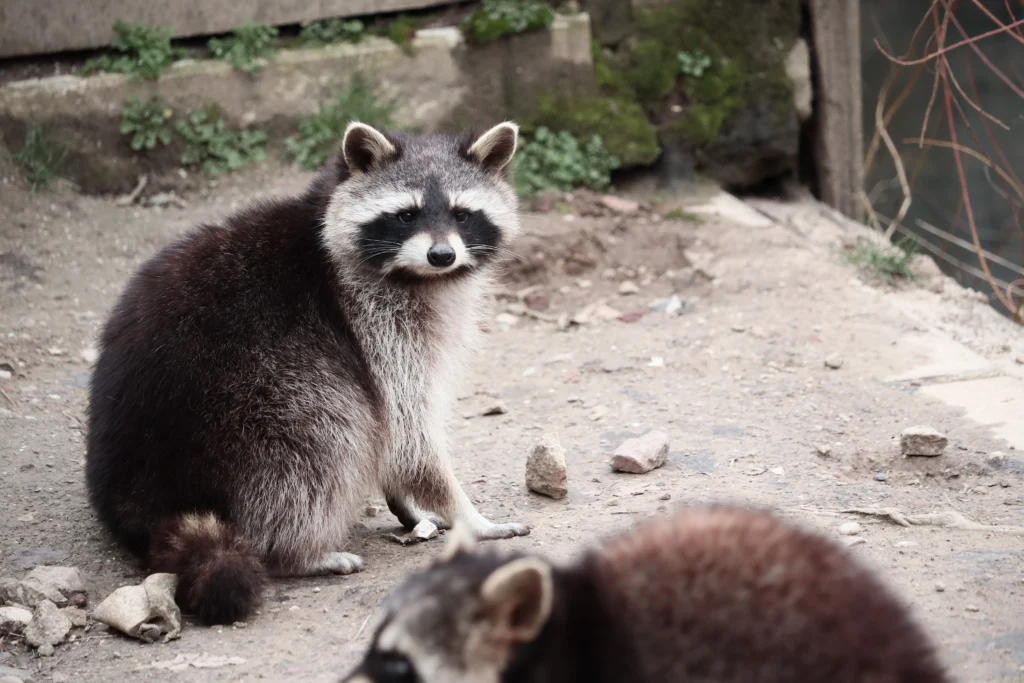
The Health Risks of Raccoon Latrines
Raccoons pick a specific spot in your attic to use as a toilet. Over a few months, this latrine accumulates significant amounts of feces and urine, destroying the insulation.
The primary danger is Baylisascaris procyonis, the raccoon roundworm. Millions of roundworm eggs are shed in raccoon feces. When the feces dry out, the microscopic eggs can become airborne and enter the living space below through pot lights or bathroom vents. If inhaled or ingested by humans (especially children) or pets, these eggs hatch into larvae that migrate through the body, causing severe neurological damage.
If your attic has a raccoon latrine, the contaminated insulation must be professionally removed using specialized HEPA vacuums, the area sanitized with hospital-grade disinfectants, and fresh insulation blown in. We provide full attic restoration services in Mississauga.
The Baby Season Factor (March – June)
If you have a raccoon in your attic between March and late June, you must assume there are babies inside.
This changes the entire removal process. Raccoon kits are blind and immobile for the first several weeks of their lives. If a pest control company simply slaps a one-way door on your roof and locks the mother out, those babies will die of starvation in your attic. The mother will literally tear your roof apart pulling up shingles and chewing through plywood in a frantic attempt to get back to them. If she fails, you will be left with dead animals in your walls, an unbearable odour, and a massive fly infestation.
How we handle babies humanely:
1. We put on protective gear and physically enter the attic space.
2. We locate the nest (usually tucked in the furthest, tightest corner near the eaves).
3. We remove the babies by hand and place them in an insulated “reunion box”.
4. We install a one-way door for the mother to exit.
5. We place the reunion box on the roof right next to the one-way door.
6. When the mother pushes her way out that night, she finds her babies in the box, picks them up by the scruff of the neck, and carries them to her backup den site in the neighbourhood.
Raccoon pattern
Mississauga Neighbourhood Wildlife Patterns
Port Credit, Clarkson, Lakeview
Older homes with mature trees and proximity to Lake Ontario. Complex rooflines and aging woodwork make these homes highly vulnerable to raccoon entry. Trimming trees away from the roofline is crucial here.
Streetsville, Erindale, Meadowvale
Proximity to the Credit River corridor means constant wildlife pressure. Preventative screening of all roof vents is highly recommended for homes backing onto the river or conservation lands.
Erin Mills, Churchill Meadows
Newer suburban homes. The primary entry point in these neighbourhoods is usually builder-grade plastic roof vents and loose aluminum soffits at roof intersections.
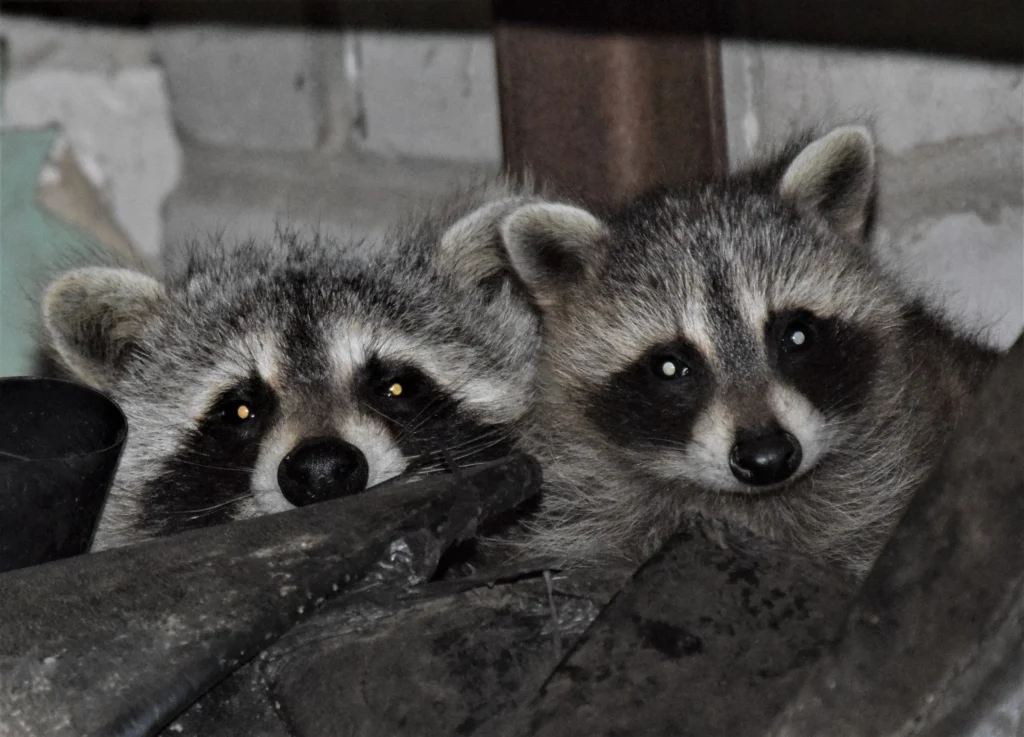
Raccoon Removal
Our Humane Exclusion Process
Inspection
Identify the main entry point and assess for babies.
One-Way Door
Install a heavy-duty steel one-way door over the main hole so the raccoon can exit but not return.
Baby Extraction
(During spring) Remove babies and set up the rooftop reunion box.
Reinforcement
Wrap the vulnerable area around the entry point with 16-gauge steel mesh so she can't chew a new hole beside the old one.
Final Seal
Return 3–5 days later, remove the door, and seal the hole permanently.
Frequently Asked Questions
Will the City of Mississauga remove a raccoon from my property?
Is it legal to trap the raccoon and drive it to the country?
How much does raccoon removal cost in Mississauga?
What do you do if a raccoon is living under my deck?
Related Services