
Rat & Mice Control in Toronto
Toronto has a rat problem and everyone knows it but the details matter more than the headlines.
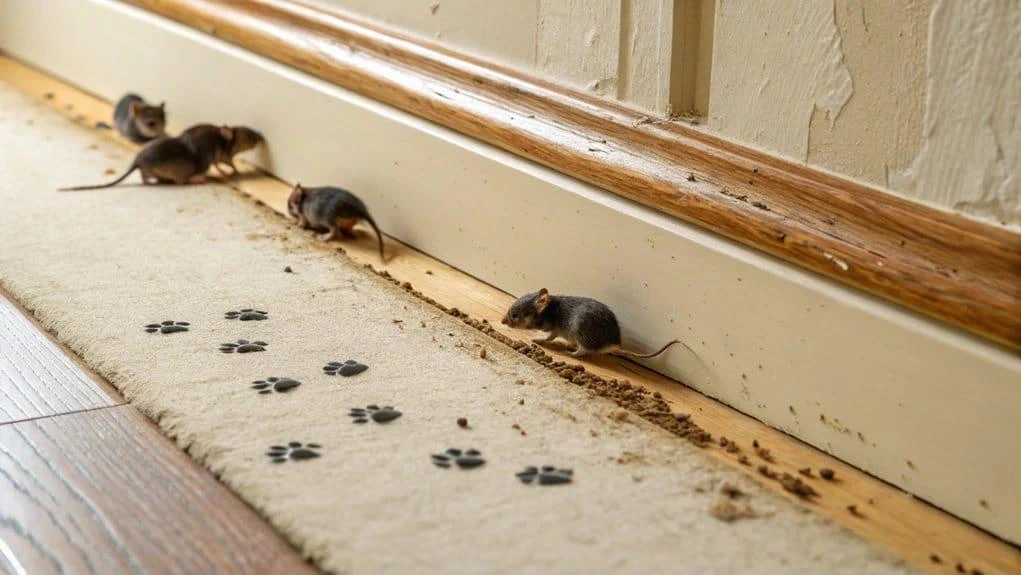
The city’s aging sewer infrastructure, dense restaurant districts, active construction, and older housing stock create perfect conditions for Norway rats. Meanwhile, house mice thrive in the gaps, utility penetrations, and wall cavities that exist in virtually every Toronto building over 30 years old.
Here’s the reality: you can kill rats and mice all day, but if you don’t find and seal how they’re getting in, new ones will follow the same path within weeks. Pestisect’s rodent control works in two phases eliminate the current population, then exclude them permanently.
Get Free Quote
Fill out the form below and we’ll get back to you within 24 hours
Rodent Problem
Toronto's Rodent Problem — What's Actually Happening
Toronto is home to several rodents species, each with unique behaviors and risks. Identifying these types is important for implementing the right control methods and ensuring effective treatment.
Norway rats own Toronto's sewers
Construction displaces rodents
Toronto’s constant development transit expansion, condo construction, infrastructure upgrades disturbs rat burrow networks. When excavation begins on a construction site, resident rat populations scatter into adjacent residential and commercial properties. Areas near active TTC construction, the Ontario Line route, and major condo developments see temporary spikes in rat activity.
House mice enter through impossibly small gaps
Identifying
Rats vs. Mice — Identifying What You Have
Norway Rat
Size: 200–270mm body + tail
Weight: 200–500g
Droppings: Capsule-shaped, 18–20mm, blunt ends
Behaviour: Cautious, neophobic (avoids new objects)
Nesting: Burrows outdoors; in basements, sewers
Entry holes: 25mm+ (quarter-sized)
Treatment approach: Exterior bait stations + interior traps + exclusion
House Mouse
Size: 65–95mm body + tail
Weight: 12–30g
Droppings: Rod-shaped, 3–6mm, pointed ends
Behaviour: Curious, explores new objects quickly
Nesting: Inside walls, attics, storage areas
Entry holes: 6mm+ (dime-sized)
Treatment approach: Interior traps + exclusion (bait optional)
Our Rat & Mice Removal Process
Our Rodent Control Process
Our Rodent extermination process is designed to eliminate infestations at every stage, from detection to prevention.
Phase 1 — Inspection and Entry Point Mapping
Phase 2 — Population Reduction
Snap traps placed along active runways (walls, under sinks, behind appliances) the most effective and humane rapid-kill method
Exterior tamper-resistant bait stations along the foundation (for rats only secured stations that pets and children cannot access)
Interior monitoring stations to track activity levels
Phase 3 — Exclusion (Sealing Entry Points)
This is the step most pest control companies skip and it’s the only step that provides long-term results.
We seal every identified entry point using materials rodents can’t chew through:
- Steel wool + caulk for gaps under 25mm
- Sheet metal for larger openings and pipe penetrations
- Hardware cloth (galvanized wire mesh) for weep holes and foundation vents
- Door sweeps and weatherstripping for garage and exterior doors
Important: We do NOT seal all entry points on day one. If we seal a building with rodents still inside, they panic and cause damage trying to escape. We reduce the population first, then seal.
Phase 4 — Follow-Up and Monitoring
hotspots
Toronto-Specific Rodent Hotspots
Sewer rats in older neighbourhoods
The Annex, Cabbagetown, Riverdale, Leslieville, Parkdale, and Junction Triangle have Toronto's oldest sewer laterals many dating to the 1920s–1950s. Cracked or collapsed laterals are the primary entry path for Norway rats. If you see a rat emerge from your basement floor drain, this is likely why
Construction displacement zones
Properties within 200 metres of major construction particularly along the Ontario Line corridor, the Eglinton Crosstown route, and active condo sites in King West, Yonge-Eglinton, and Regent Park see increased rodent activity as displaced rats seek new harbourage.
Restaurant adjacency
Homes and apartments near Toronto's restaurant corridors King West, Queen West, Dundas West, Danforth, Chinatown, Kensington face persistent rat pressure from dumpsters, grease traps, and outdoor food waste.
Ravine-adjacent homes
Toronto's extensive ravine system provides natural rat habitat. Properties backing onto the Don Valley, Humber Valley, Taylor Creek, and Highland Creek ravines deal with higher rodent pressure year-round.
treatment costs
What Rodent Control Costs in Toronto
Service
Typical Range
Testimonial
Quality Service is Our Guarantee
“Pestisect saved our sanity. They eliminated our bed bug problem in one visit. Haven’t seen a single bug since! Highly recommended.”
Sonia K.
Downtown Toronto
“Tried DIY for months with no luck. Pestisect’s technician was professional, thorough, and explained everything. The results were immediate.”
David L.
North York
“Affordable, fast, and guaranteed. Their heat treatment worked wonders. Our home is finally bed bug-free!”
Priya M.
Etobicoke
Frequently Asked Questions
How are rats getting into my Toronto home through the sewer?
Can I use poison to get rid of mice in my Toronto house?
Why do I see more rats in Toronto during construction?
My Toronto landlord won't deal with rats — what can I do?
How do I keep mice out permanently?
Related Services

Get Expert Rat & Mice Removal in Toronto Today
Don’t let rats and mice take over your property. Our professional pest control team in Toronto is ready to provide fast, effective, and long-lasting solutions.