
Mosquito Control Services in Toronto, Brampton & Mississauga
Get Free Quote
Fill out the form below and we’ll get back to you within 24 hours
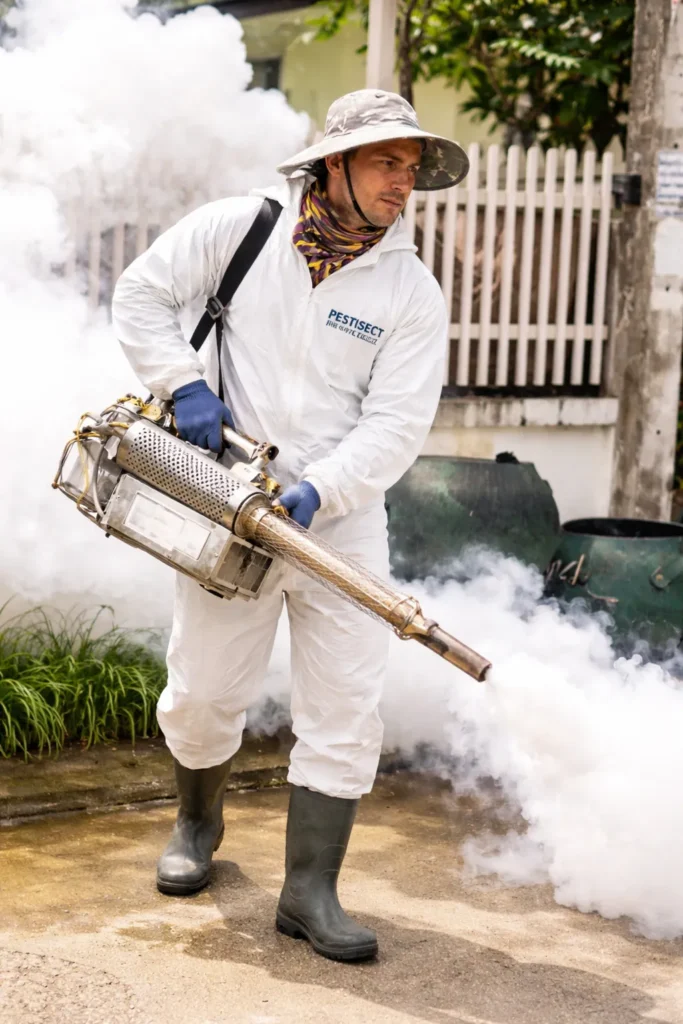
Mosquito
Why Mosquitoes Are More Than Just a Nuisance
Mosquitoes are not simply an outdoor annoyance. In Ontario, mosquitoes are active carriers of West Nile Virus — a disease that causes serious illness in vulnerable individuals. Beyond the health risk, mosquito pressure drives customers away from restaurant patios, makes backyards unusable during peak summer months, and keeps families indoors when they should be enjoying their outdoor space.
A single female mosquito can lay up to 300 eggs at a time in as little as a bottle cap of standing water. Without intervention, one backyard can host thousands of mosquitoes within a season.
Pestisect’s mosquito control services target the breeding cycle at the source — not just the adult mosquitoes you see flying.
Without proper control, their population can increase rapidly, spreading across your yard, garden, or commercial outdoor space.
Mosquito Species Common in Ontario
Understanding which species is active on your property helps us target treatment precisely:
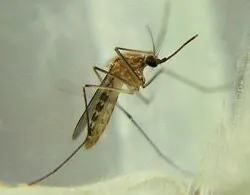
Culex Mosquitoes
Size: Small to medium (4–7 mm)
Appearance: Light to dark brown
Behaviour: Active at night, common in urban areas
Breeding Site: Stagnant water in drains, gutters, pots
Small brown mosquitoes active at night, commonly found in standing water like drains and containers.
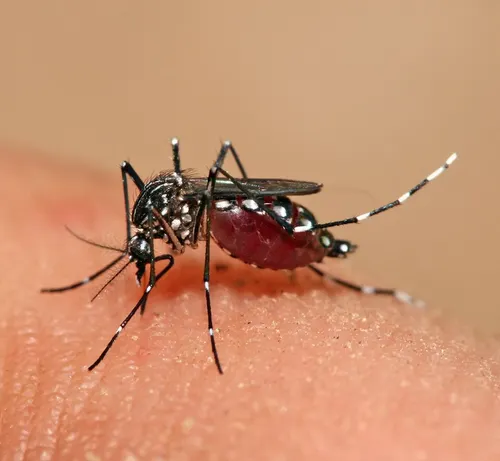
Aedes Mosquitoes
Size: 3–6mm
Appearance: Black with white stripes
Behaviour: Aggressive daytime biters
Breeding Site: Small containers — bottle caps, tires, flower pots
Black with white stripes, aggressive daytime biters found near homes and gardens.
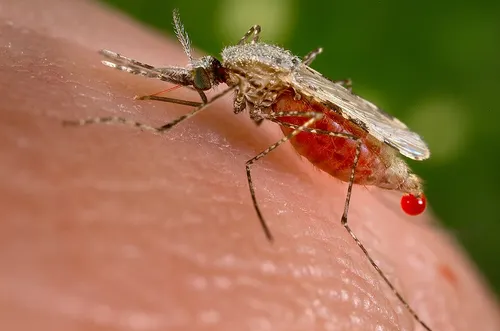
Anopheles Mosquitoes
Size: 5–8mm
Appearance: Brown with spotted wings
Behaviour: Active at dusk and dawn
Breeding Site: Natural water edges — ponds, marshy ground
Medium-sized mosquitoes found near natural water sources, active during dawn and dusk.
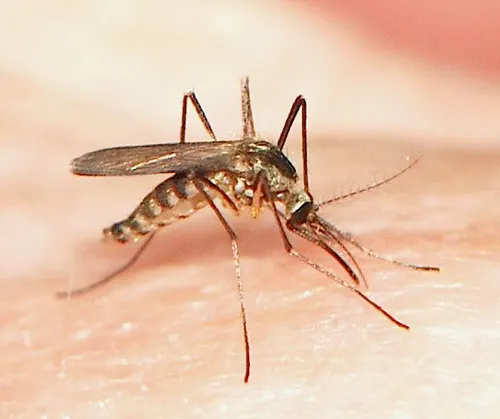
Floodwater Mosquitoes
Size: 6–10mm
Appearance: Dark brown with golden markings
Behaviour: Strong fliers, aggressive biters
Breeding Site: Puddles and open land after heavy rain or snowmelt
Appear after rainfall, known for aggressive biting and rapid population growth.
Why Mosquito Control
Why Mosquito Control Matters for Your Property
Mosquito control is essential for maintaining a safe, comfortable, and usable outdoor environment for both residential and commercial properties. Mosquitoes are not just a seasonal nuisance—they are fast-breeding pests that can quickly multiply in areas with standing water, moisture, and shaded surroundings. Without proper control, even a small mosquito problem can turn into a widespread infestation in a short period of time.
For Homeowners
Enjoy your backyard, deck, and garden again. Evening barbecues, children's outdoor play, and patio dining are all severely impacted by high mosquito pressure. Our treatment restores your outdoor living space.
For Business Owners & Restaurants
Outdoor seating is a revenue generator — but only when guests are comfortable. A heavy mosquito problem drives diners indoors or away entirely. Hotels, resorts, and event venues also benefit from professional seasonal mosquito management.
For Property Managers
Common outdoor areas in condominiums and apartment complexes — courtyards, pool decks, shared gardens — attract mosquito infestations impacting tenant satisfaction. We offer recurring seasonal programs for multi-unit properties.
Our Treatment Process
How Mosquito Control Works
Our systematic approach ensures complete elimination of Mosquito
Property Inspection
We walk your entire property to identify standing water sources, breeding sites, resting areas in dense vegetation, and entry points around the structure.
Source Identification & Elimination
Standing water is the root cause. We identify every breeding site — floor drains, gutters, downspout pools, flower pots, bird baths, tarps, low spots in lawns — and either eliminate the source or treat it directly with larvicide.
Barrier Treatment
We apply a targeted residual barrier spray to the underside of foliage, fence lines, shaded areas, and perimeter vegetation where adult mosquitoes rest during the day. This significantly reduces the adult population and extends protection for weeks.
Prevention Guidance
We provide specific, actionable prevention steps for your property — re-grading low areas, covering water features, maintaining gutters — to reduce breeding conditions throughout the season.

Service Included
Complete mosquito control solution
Outdoor area treatment
Seasonal mosquito control
Prevention recommendations
Follow-up support
Breeding source identification
Why Trust Pestisect
Reliable mosquito control you can trust
Choosing the right mosquito control service makes a big difference in achieving effective and long-lasting results. Our approach focuses on targeted treatment, local expertise, and practical prevention strategies to ensure better control and improved outdoor comfort.
Local knowledge and experience
Fast and responsive service
Targeted mosquito treatment
Residential and commercial coverage
Focus on long-term prevention
24/7 Availability
Mosquito Prevention Tips
What You Can Do Between Treatments
🪣
Empty standing water weekly
🛢
Keep gutters clean
🚰
Cover or refresh water features
🌿
Trim dense vegetation
🛢
Repair window and door screens
🛢
Eliminate tarps and covers
Areas We Serve
Service Areas for Mosquito Control
Mosquito Control in Toronto
Comprehensive wildlife control services for Toronto residents and businesses, including emergency removal and prevention solutions.
Mosquito Control in Brampton
Professional wildlife management for Brampton properties, specializing in humane removal and long-term prevention strategies.
Mosquito Control in Mississauga
Expert wildlife control services in Mississauga, protecting homes and commercial properties from animal intrusions.
Related services:
Frequently Asked Questions — Mosquito Control
When is the best time to start mosquito control in Ontario?
How long do mosquito treatments last?
Is mosquito spray safe for my children and pets?
Can mosquito control eliminate all mosquitoes from my property?
Do you offer seasonal mosquito programs?
Ready to Take Back Your Outdoor Space?
If mosquitoes are making your outdoor space uncomfortable, Pestisect Pest Control is here to help with effective and reliable mosquito control services.