
Mice & Rat Extermination Services
Get Free Quote
Fill out the form below and we’ll get back to you within 24 hours
Why Rodent remove
The Threat: Why Rodents Must Be Removed Immediately
Fire Hazards
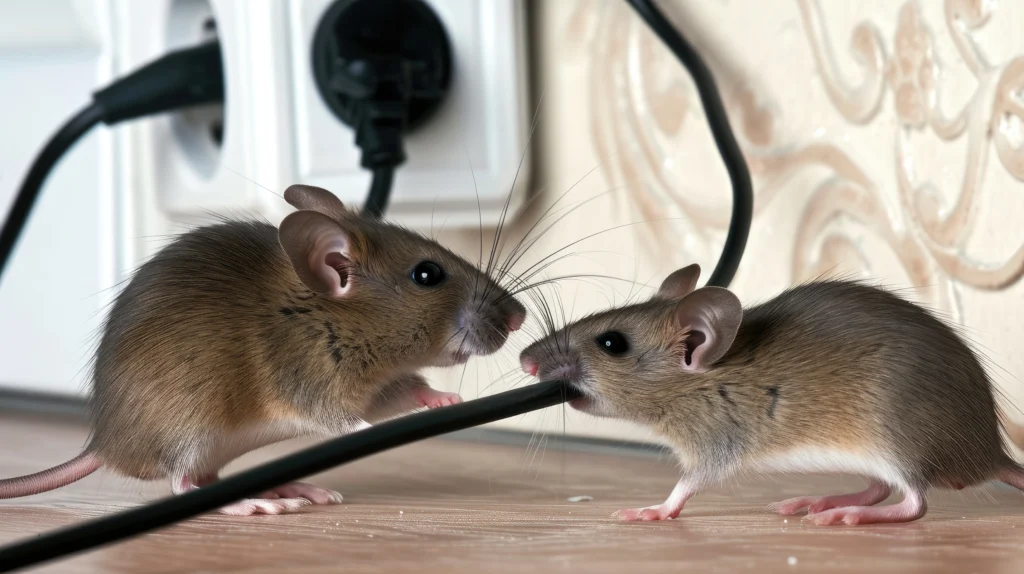
A rodent’s front teeth never stop growing. To file them down, they continuously gnaw on hard objects, specifically electrical wiring in your walls or attic. Exposed, chewed wiring is a leading cause of unexplained house fires.
Disease Vectors
Mice leave a constant trail of urine as they walk. They carry Hantavirus, Salmonellosis, and Leptospirosis, spreading these directly across your kitchen counters and pantry shelves.
Rapid Breeding
Two mice inside a wall void can multiply into a colony of two dozen within a few months. If you hear one mouse, there are always more.
- A female house mouse can have up to 10 litters per year, with 5-6 young per litter.
- Rats can exert a biting pressure of up to 7,000 pounds per square inch (psi), allowing them to chew through wood, plastic, aluminum, and even soft concrete.
- A mouse can squeeze its body through a hole the size of a dime (6mm), while a rat can fit through a hole the size of a quarter (19mm).
Mice & rat remove Process
Pestisect's Permanent Exclusion Strategy
Step 1: The Exterior Inspection
Our technicians conduct a massive audit of your home's exterior — foundation, utility line entries, weeping holes, garage seals, and rooflines. We locate exactly how the rodents are bypassing your walls.
Step 2: Interior Trapping & Baiting
We utilize professional, locked, tamper-proof rodenticide bait stations and highly sensitive snap traps in strategic, high-activity areas (basements, drop ceilings, under sinks). These quickly reduce the active indoor population while keeping children and pets completely safe.
Step 3: Steel Exclusion Sealing (The Permanent Fix)
Catching the interior mice is useless without this step. We seal every entry point found during our inspection using heavy 16-gauge galvanized steel mesh, construction-grade caulking, and specialized expanding foams. Mice cannot chew through our steel mesh, permanently securing your property boundaries.
Identify
Identifying the Culprit: Mouse or Rat?
The House Mouse
Small (2–4 inches). Their droppings look like tiny, pointed black seeds. They are highly curious, making them easier to trap. They easily nest inside the voids of interior walls.
The Norway Rat (Brown Rat)
Large and stocky. Their droppings are much larger, cylindrical, and blunt-ended. They are "neophobic" (extremely afraid of new objects), making trapping highly complex. In Toronto, they frequently live in underground sewer systems and burrow under exterior concrete slabs or decks.
Service Areas for Rodent Control
Frequently Asked Questions About Rodents
What size hole can a mouse fit through?
Will the poison cause mice to die and smell in my walls?
Are ultrasound plug-in repellers effective against mice?
How did a mouse climb into my attic?