
Bed Bug Treatment in Brampton
Here’s something people don’t talk about: Brampton has a growing bed bug problem, and it’s not because Brampton is dirty. It’s because Brampton is one of the fastest-growing cities in Canada, with large family homes, frequent international travel, an active secondhand furniture market, and multi-generational households where belongings move between homes regularly.
Bed bugs travel on luggage, clothing, furniture, and personal items. In a city where families regularly welcome visitors from abroad, buy used furniture to furnish growing households, and live in connected townhome communities bed bugs find plenty of ways in.
Pestisect is based in the Peel Region. We treat bed bugs in Brampton detached homes, townhomes, semi-detached homes, and apartment buildings. Every treatment starts with a proper inspection because what looks like bed bug bites could be something else entirely, and treating the wrong pest wastes your time and money.
Get Free Quote
Fill out the form below and we’ll get back to you within 24 hours
bed bug
How Bed Bugs Get Into Brampton Homes
International and domestic travel. Brampton has a highly mobile population with strong connections to communities across India, Pakistan, the Caribbean, the Philippines, and other regions. Frequent travel and hosting visitors who travel creates regular opportunities for bed bugs to hitchhike on luggage and clothing. This isn’t unique to any community; it’s basic arithmetic. More trips = more exposure opportunities.
Used furniture. Brampton’s growing families often buy secondhand furniture beds, sofas, dressers through Facebook Marketplace, Kijiji, or from friends and family. Bed bugs live inside furniture, not just on surfaces. A couch that looks perfectly clean can have bed bugs living inside the frame, behind cushion zippers, or in seam folds. You won’t see them during a casual inspection.
Townhome and semi-detached shared walls. Brampton has a large inventory of townhomes and semi-detached homes communities like Springdale, Mount Pleasant, Castlemore, and Sandalwood have rows of connected homes sharing party walls. Bed bugs travel through these shared walls the same way they travel between apartment units: through electrical boxes, plumbing penetrations, and baseplate gaps.
Children and school exposure. This is one people rarely mention. Bed bugs can travel on backpacks, jackets, and clothing. In a school setting especially in coat rooms and shared cubbies bed bugs from one household can transfer to another child’s belongings. Brampton’s large family sizes mean more children per household, more backpacks, and more exposure pathways. This isn’t a criticism it’s a reality of how bed bugs move.
Moving between homes. Brampton families moving from one home to another within the city upgrading from a townhome to a detached home, for example can unknowingly transport bed bugs with their belongings. If the previous home had an undetected infestation, the bugs come with you.
sign of Bed Bugs?
Signs of Bed Bugs in Your Brampton Home
On your body:
- Clusters of small, red, itchy bites — usually on areas exposed during sleep (arms, shoulders, neck, face)
- Bites that appear in the morning that weren't there the night before
- About 30% of people don't react visibly to bed bug bites — no bites doesn't mean no bugs
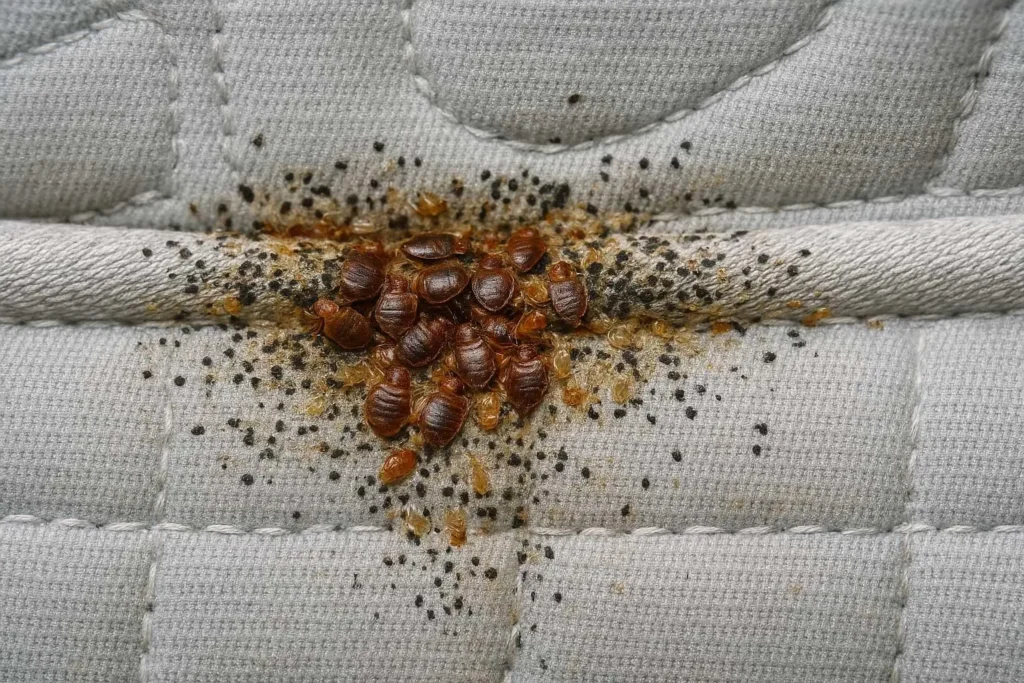
- Small dark spots on sheets and pillowcases — bed bug fecal stains that look like tiny ink dots
- Tiny white eggs (about 1mm) in mattress seams, headboard crevices, and box spring folds
- Shed skins — bed bugs molt five times before reaching adulthood, leaving translucent casings behind
- Live bugs: flat, oval, reddish-brown, about 4–5mm — the size and shape of an apple seed
Where to inspect:
Start with the bed. Check every seam and fold of the mattress, especially at the four corners. Lift the dust cover on the box spring and check the wood frame and staple lines. Pull the headboard away from the wall. Then check the nightstand — remove drawers and look at the underside and the track channels. Finally, check electrical outlet covers near the bed.

our method
Treatment Methods We Use in Brampton
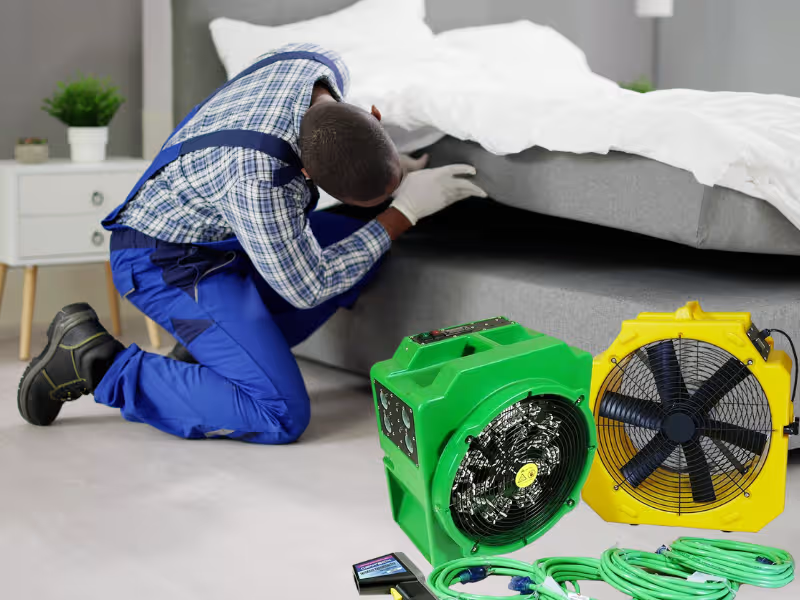
Heat Treatment — Single-Day Elimination
How it works: We bring specialized heating equipment into the affected space and raise the air temperature to 50–60°C (122–140°F). We maintain this temperature for several hours. At these temperatures, bed bugs at all life stages eggs, nymphs, and adults die.
Why it works in one visit: Heat penetrates mattresses, furniture, and wall cavities in a way that chemical sprays can’t. Eggs that would survive chemical treatment are destroyed by heat.
Best for: Severe infestations, situations where you need same-day resolution, and properties where previous chemical treatments failed.
Considerations for Brampton homes: Many Brampton homes are larger than average — 4-5 bedroom detached homes with multiple levels. Full-home heat treatment in larger Brampton homes requires more equipment and longer treatment times. We’ll assess your property and give you exact timing and pricing before committing to heat treatment.
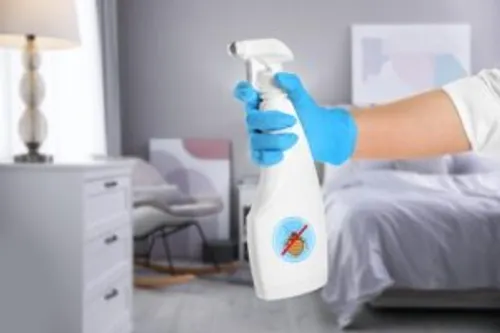
Chemical Treatment — Two-Visit Protocol
How it works: We apply residual insecticide to every crack, crevice, seam, and harbourage point where bed bugs hide. This includes mattress and box spring seams, bed frame joints, headboard attachments, baseboards, and electrical outlets.
Why two visits: The first treatment kills active adults and nymphs. But bed bug eggs are resistant to most chemical products — they have a protective shell the product can’t penetrate. Eggs hatch in 6–10 days. The second treatment, applied 10–14 days after the first, catches the newly hatched nymphs before they can feed, grow, and reproduce.
Best for: Moderate infestations in single or multiple rooms where the infestation hasn’t been present for more than 2–3 months.
Preparation required: Washing and drying all bedding and clothing on high heat. We provide a detailed checklist before your appointment.
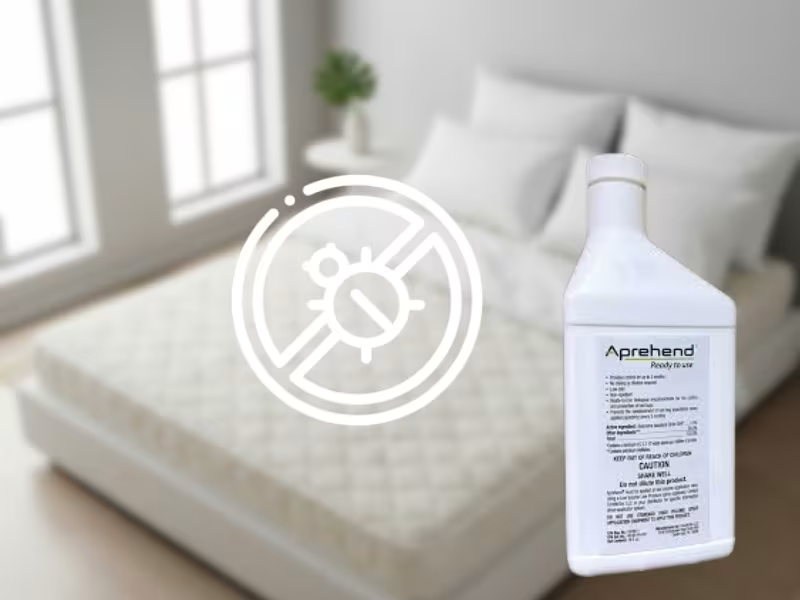
Combined Approach
treatment costs
What Bed Bug Treatment Costs in Brampton
Service
Typical Range
Book inspections. Written quote before any work starts.
Signs of Bed Bug
Bed Bugs in Brampton Townhomes The Shared Wall Problem
If you live in a townhome in Brampton and a large portion of the city’s housing stock is townhomes bed bug treatment is more complicated than in a detached home.
The issue: Your unit shares a wall (or two walls) with your neighbours. Bed bugs travel through shared walls via electrical outlets, plumbing penetrations, and gaps in the baseplate. You can treat your unit perfectly, but if your neighbour has an untreated infestation, bed bugs will come back through the wall.
What we recommend:
- Treat your unit first don’t wait for neighbour coordination
- Ask your neighbours if they’ve noticed any bites or signs (this is uncomfortable but important)
- If you rent, notify your landlord immediately under Ontario law, bed bug treatment is the landlord’s financial responsibility
- Consider interceptor traps on bed legs as ongoing monitoring after treatment
What we do for Brampton townhome rows:
When we treat bed bugs in a townhome, we always recommend inspecting the adjacent units. If property management is involved, we coordinate multi-unit treatment to prevent the ping-pong effect where bugs are pushed from one unit to the next and back.
Do not spray the area yourself — store-bought sprays scatter bed bugs into harder-to-reach hiding spots and reduce the effectiveness of professional treatment.
BEd bug patterns
Brampton Neighbourhood Bed Bug Patterns
Springdale, Mount Pleasant, Credit Valley
Large family homes — often 4-5 bedrooms. Bed bug infestations here tend to start in the master bedroom and spread to children's rooms over weeks. Treating multiple bedrooms simultaneously gets better results than treating one at a time.
Bramalea, Madoc, Central Brampton
Mix of older apartment buildings and semi-detached homes. Apartment buildings in these areas see recurring bed bug issues. Semi-detached homes share one party wall — if your neighbour has bed bugs, you should get inspected.
Castlemore, Gore Road, Sandalwood
Newer homes with less history of bed bug issues, but not immune. Travel-related introductions and used furniture are the primary vectors in newer communities.
Downtown Brampton, Queen Street area
Mixed-use buildings and older housing stock. Bed bug calls are year-round, similar to the downtown pattern seen in Toronto.
Related Services in Toronto
Frequently Asked Questions — Bed Bug Treatment in Brampton
I bought used furniture in Brampton and now I have bed bugs — what should I do?
My Brampton townhome shares walls — will bed bugs come from my neighbour?
How do I prepare my Brampton home for bed bug treatment?
Can my children bring bed bugs home from school in Brampton?
Does Peel Region Public Health handle bed bug complaints?

Book Your Brampton Bed Bug Inspection
Bed bugs reproduce fast a single female lays up to 5 eggs per day. Waiting a week means 35 more eggs. Waiting a month means a problem that costs twice as much to fix. Call today.
Call: (647) 924-2753
Email: in**@*******ct.ca
Available: 7 days a week, 8am–8pm