Pestisect Pest Control

Who Do I Call to Remove a Wasp Nest Safely? (2026 Guide)

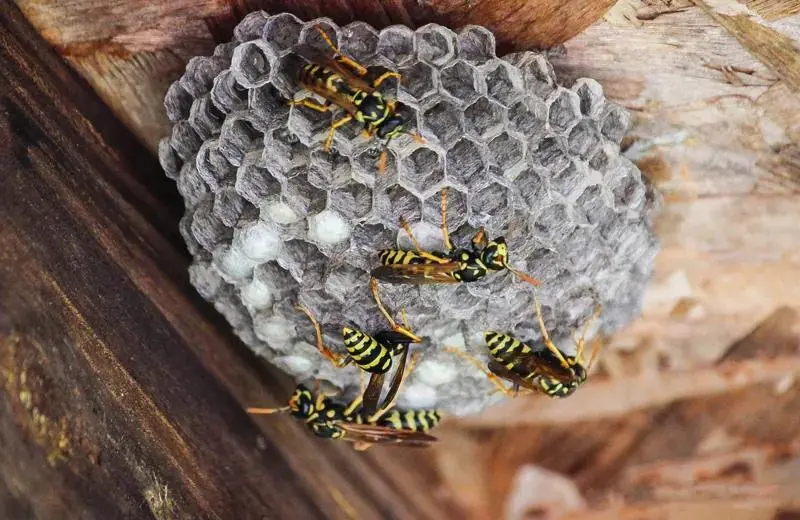
Paper Wasps

Discovering a grey, paper-like orb hanging over your front porch, or noticing hundreds of yellow jackets flying in and out of a crack in your home’s exterior brickwork, is an immediate cause for alarm as the summer heat sets in across the GTA.

Because wasps are highly aggressive and capable of stinging multiple times without dying, handling a nest is not a DIY project. In fact, most summer emergency room visits related to pests are caused by homeowners trying to knock down a nest with a broom or a garden hose.

If you are asking, “Who do I call to remove a wasp nest safely?”, this guide will explain your options and detail the exact methods professionals use to eradicate the threat in a single visit safely.

Who Do I Call to Remove a Wasp Nest Safely?

You must call a licensed, structural pest control company to safely remove a wasp nest from your residential or commercial property. In the Greater Toronto Area, companies like Pestisect specialize in rapid-response insecticide dust injections that kill the entire colony—including the queen—in a single, safe visit without damaging your home.

Municipal services (like the fire department or animal control) **will not** remove wasp nests from private property unless it poses an immediate, life-threatening danger in a public space. Do not call 911 for a wasp nest on your house.

The Risks of DIY Wasp Nest Removal

Homeowners often buy aerosol “wasp spray” from the hardware store, assuming it will solve the problem. Here is why that usually ends in disaster:

The Defensive Swarm

Wasps are fiercely territorial. If you spray a visible nest from the outside, the chemical often only coats the exterior paper casing. The wasps inside will immediately release an attack pheromone, swarming the area and heavily stinging whoever is nearby.

The "Wall Void" Trap

The most dangerous mistake a homeowner can make is caulking or sealing a crack where wasps are entering the house. If you trap wasps inside a wall void, they will panic and instinctively chew directly through your interior drywall, emerging by the hundreds into your living room, kitchen, or bedroom.
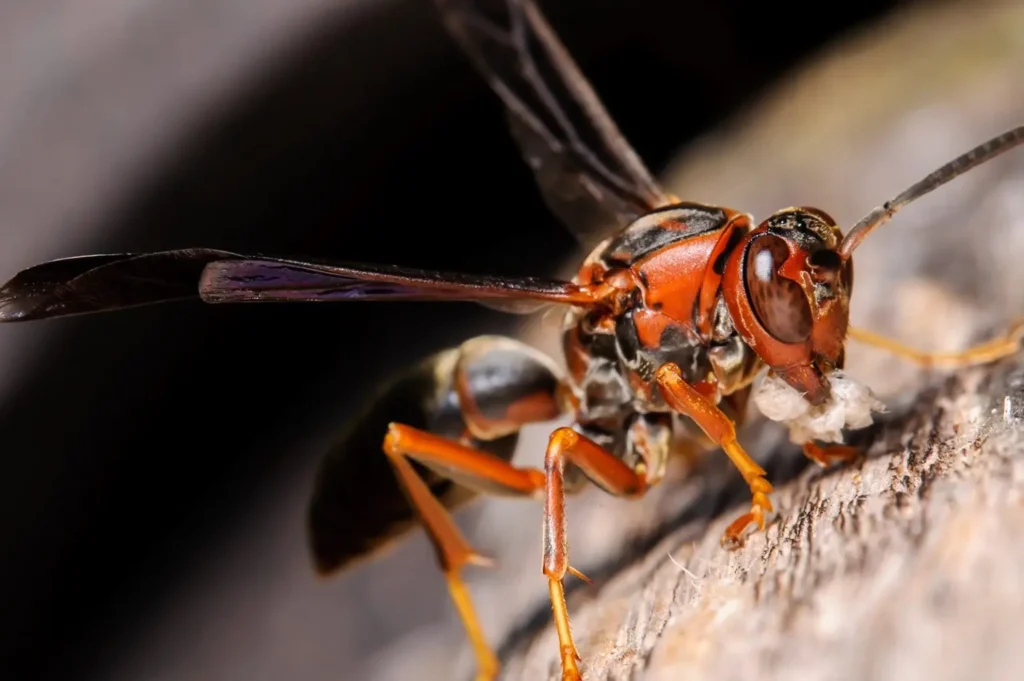
Paper wasp control

How Pestisect Removes Wasp Nests Safely

Professional exterminators have access to insecticidal dusts that are not available to the general public. Here is how we handle aggressive wasp and yellow jacket colonies:

Proper Protective Equipment

Our technicians arrive in full, heavy-duty bee suits with reinforced veils and thick grading gloves.

Insecticidal Dust Injection

Instead of liquid sprays that make wasps angry, we use a pressurized duster to inject a specialized insecticidal powder directly into the nest entrance.

  • If the nest is visible (hanging from a tree or eave), we coat the entire entrance.
  • If the nest is hidden inside your brickwork or siding, we inject the dust deep into the wall void.

The Transfer Effect

As wasps aggressively fly in and out of the nest entrance, they get coated in the microscopic dust. They carry this dust deep into the center of the nest, transferring it to the queen and the unhatched larvae. Within 24 to 48 hours, the colony is completely eradicated.

Call to Action: Don't Risk a Sting This Summer!

With summer approaching, wasp colonies will rapidly multiply. Do not wait until the nest is the size of a basketball to take action. Protect your family and your property with professional removal.

Frequently Asked Questions

What is the fastest way to get rid of wasps in a wall void?
The fastest and safest way is professional insecticide dust injection. Do not spray liquid store-bought poisons into a wall crack, and never caulk the hole. The wasps will panic, turn around, and chew directly through your interior drywall into your living room.
You should call a licensed, structural pest control company to safely remove a wasp nest from your residential or commercial property. Municipal services and the fire department do not remove wasp nests from private property.
Yes, bird droppings (specifically from pigeons) are highly acidic and carry dangerous fungal diseases like Histoplasmosis. You must clean it up wearing a respirator mask, or hire professionals to sanitize the area and install bird netting or spikes.
Yes. German cockroaches carry and spread pathogens such as Salmonella, E. coli, and Cholera. Furthermore, their shed skin and droppings contain high levels of allergens that can trigger severe asthma attacks, particularly in young children.