
Pestisect Pest Control

How to Get Rid of Raccoons in the Attic Safely (2026 Guide)

best-raccoon-removal-services
It’s a familiar spring occurrence in the Greater Toronto Area: you wake up at 3:00 AM to the sound of heavy thudding and scratching directly above your ceiling. During April and May, mother raccoons actively seek out warm, dry attics to give birth to their litters. Ignoring the noise is not an option. Raccoons can destroy insulation, chew through electrical wires, and create massive biohazard latrines. But knowing what to do next is critical because making the wrong move can result in costly damage to your home—and even legal trouble. If you are wondering how you get rid of raccoons in the attic safely, this comprehensive guide will break down the exact protocols licensed professionals use.

How Do You Get Rid of Raccoons in the Attic Safely?

The safest way to get rid of raccoons in an attic is to install a one-way exclusion door over their entry point after manually removing any baby raccoons by hand. This allows the adult raccoon to exit the attic to search for food, forcing her to relocate her babies to an alternate den without being harmed.


Follow these critical steps to ensure the process is humane and permanent:

  1. Locate the entry point: Inspect the roof (soffits, vents, and shingle intersections) to find where they broke in.
  2. Perform an attic sweep: During spring, you must climb into the attic to check the nest for babies.
  3. Install proper exclusion hardware: Mount a spring-loaded one-way door over the main entrance and seal all secondary vulnerabilities with heavy-gauge galvanized steel mesh.
  4. Reunion and repair: Place the babies in a heated incubator box outside so the mother can safely relocate them.

Why DIY Raccoon Removal is Dangerous (and Illegal in Ontario)

Many homeowners attempt to solve the problem by throwing mothballs into the attic, setting up a live trap on the roof, or simply patching the hole while the raccoon is out foraging.

Never seal a hole without a one-way door.

If you trap a mother raccoon outside while her babies are still in the attic, she will tear through your shingles, chew through wood, and destroy your eaves trying to get back to them. If she cannot get back in, the babies will die inside your walls, creating a horrific odor and a severe biohazard.

Furthermore, under the Ontario Fish and Wildlife Conservation Act, it is illegal to trap and relocate a raccoon more than 1 kilometer from where it was caught. Doing so drastically reduces its chance of survival and spreads diseases like rabies. Humane, on-site exclusion is the only legally compliant method.
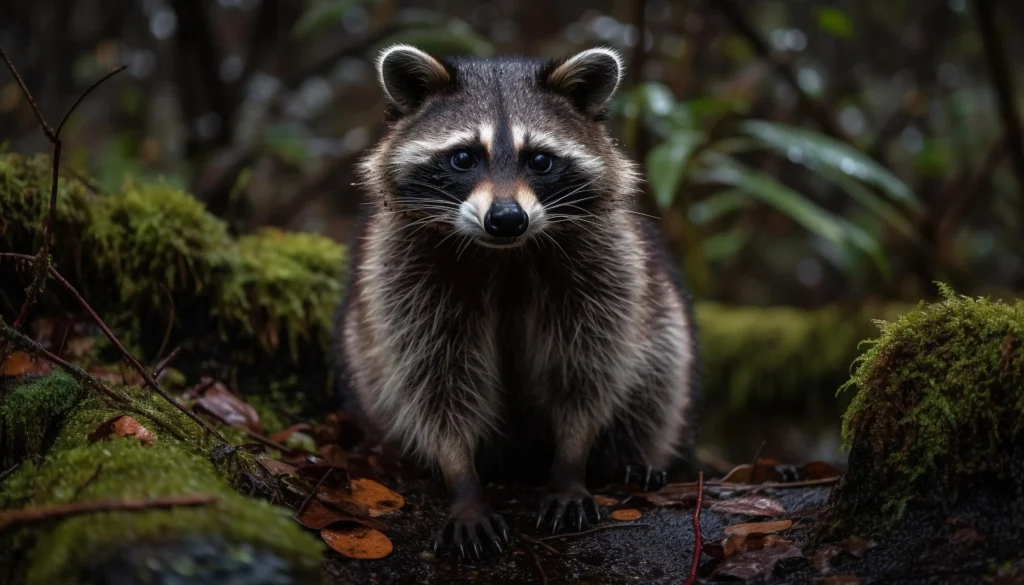
best raccoone removal service

The Professional 4-Step Raccoon Exclusion Process

At Pestisect, our licensed wildlife technicians follow a strict protocol to guarantee the animals are unharmed while ensuring your property is permanently protected.

Deep Attic Inspection & Baby Extraction

Our technicians gear up in full PPE and enter the attic to locate the nest. Because baby raccoons (kits) are immobile for the first six weeks of life, they cannot use a one-way door. We safely extract them by hand and place them in a specialized, weather-resistant reunion box placed near the entry point.

One-Way Door Installation

We install a custom, heavy-duty one-way door over the exact hole the mother used to break in. When the mother attempts to return, she discovers she cannot enter. Hearing her babies in the nearby reunion box, her maternal instincts take over, and she will transport her babies, one by one, to an alternate secondary den site in the neighborhood.

Steel Mesh Exclusion

Raccoons have incredible dexterity and grip strength. Standard chicken wire is useless against them. We reinforce the compromised area (and all other potential weak points like roof vents and plumbing mats) using heavy-gauge, galvanized steel mesh drilled directly into the roof decking.

Decontamination and Biohazard Removal

Raccoon feces can carry Baylisascaris procyonis (raccoon roundworm), which is highly dangerous to humans and pets. Once the raccoons are gone, we offer full attic restoration, removing soiled insulation and sanitizing the area to protect your indoor air quality.

Call to Action: Secure Your Home This Spring!

Are you hearing heavy footsteps in your attic? Spring is the peak season for raccoon nesting in Toronto, Brampton, and Mississauga. Don’t wait until they chew through your wiring.

Frequently Asked Questions

Are raccoons dangerous if they are out during the day?
Not necessarily. While raccoons are traditionally nocturnal, it is perfectly normal for a mother raccoon to forage during the day in the spring and summer to meet the high caloric demands of nursing her babies. However, if a raccoon appears disoriented, paralyzed, or overly aggressive, it may be sick.
Professional wildlife removal in Brampton typically ranges from $350 to $600+. This price covers the attic inspection, baby extraction, one-way door installation, and steel reinforcement of the entry point to guarantee they cannot return.
No. Municipal animal services (such as Toronto Animal Services) only respond to calls regarding sick, injured, or rabid animals that pose an immediate public safety threat outdoors. They do not handle nuisance wildlife living on private property or inside attics.
A mouse can fit through a hole the size of a dime (about 6 millimeters or 1/4 inch). During raccoon exclusion work, Pestisect technicians also seal these micro-gaps to ensure rodents cannot exploit the newly exposed areas.