Pestisect Pest Control

Can a Squirrel Chew Through Wires in the Roof? (Fire Hazards)

squirrel-Trouble

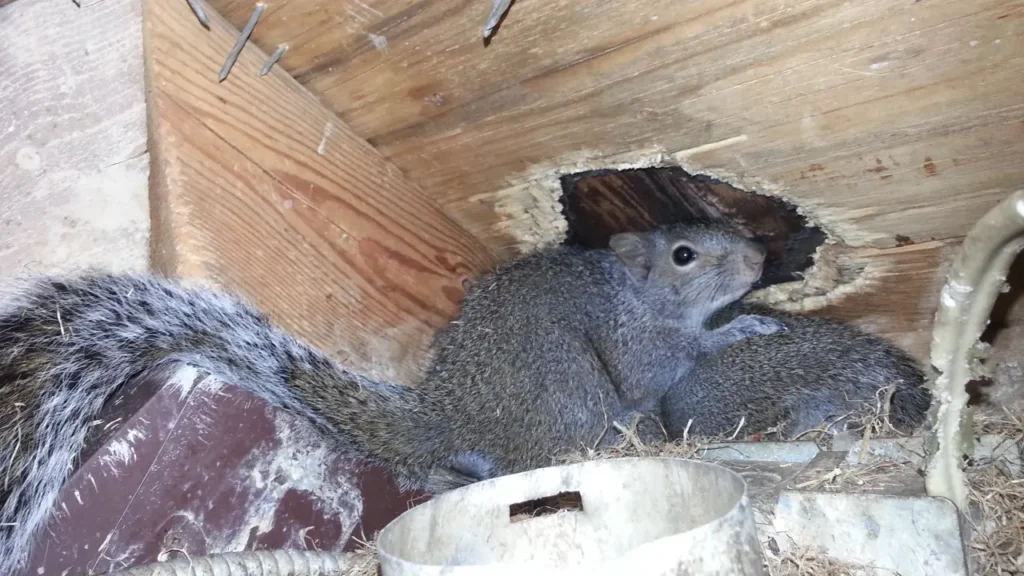
If you are hearing erratic scratching and scampering noises coming from your ceiling during the early morning hours, it is almost certainly a squirrel nesting in your attic. While the noise itself is annoying, the real threat is hidden behind your drywall.

Homeowners often ask if squirrels actually chew on the electrical wires connected to their roof trusses and lightning fixtures. The answer is a definitive yes, and the risk of a catastrophic house fire is incredibly high.

Can a Squirrel Chew Through Wires in the Roof?

Yes. Squirrels must gnaw continuously to file down their constantly growing incisor teeth. Because electrical wires running through a roof or attic are coated in a plastic casing that feels similar to tree bark, squirrels will aggressively chew through them, exposing live copper and creating an immediate, severe fire hazard.

Why Do Squirrels Target Electrical Wiring?

Squirrels belong to the rodent family, which means their incisors never stop growing throughout their lifetime. If they do not gnaw on hard objects to manually file down their teeth, their teeth would eventually grow through their own skulls.

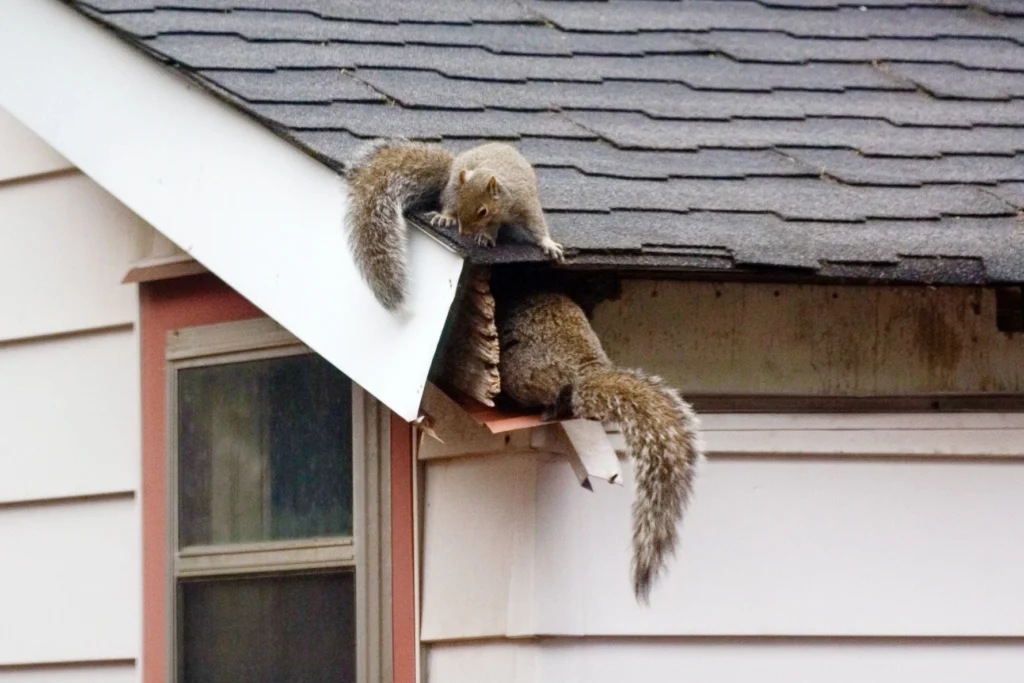
When a squirrel breaks through your soffit or roof vent to build a nest in the insulation, it needs something to chew on.

  1. The Texture: The thick, polyvinyl chloride (PVC) casing surrounding modern electrical wiring provides the perfect resistance for a squirrel’s teeth.
  2. Obstacle Removal: Often, wires run directly across the path a squirrel wants to use to access its nest. Instead of walking around the wire, the squirrel will simply bite through it to clear the pathway.

How to Get Rid of Them and Protect Your Wires

Do not attempt to climb into the attic to confront the squirrel or tape up the wires yourself.

Professional Exclusion:

Licensed wildlife technicians (like the team at Pestisect) will install a one-way spring-loaded door over the hole the squirrel chewed in your roof. When the squirrel leaves to forage for food, it cannot get back in.

Steel Reinforcement:

We seal all roof vents, soffits, and fascia gaps with heavy-gauge galvanized steel mesh. Squirrels can chew through wood, plastic, and aluminum, but they cannot chew through steel.

Electrical Inspection:

Once the squirrels are verified to be gone, a licensed electrician should inspect your attic to replace any stripped or spliced wires safely.

The Immediate Danger to Your Home

House Fires

The most devastating consequence of squirrel damage is an electrical fire. When a squirrel strips away the plastic insulation, the live copper wire is exposed. If that raw wire touches dry, dusty attic timbers or highly flammable loose-fill cellulose insulation, it can ignite a severe structural fire. According to fire marshals, rodent chewing is a leading cause of mysterious house fires in North America.

Power Outages and Equipment Failure

If a squirrel completely severs a wire, you may experience isolated power outages. Half of your kitchen may lose power, or your central HVAC unit might suddenly stop working. Finding the location of a severed wire behind finished drywall can cost thousands of dollars in electrical diagnostic fees.

The Animal Can Be Electrocuted

If the squirrel bites hard enough into a live 120-volt or 240-volt line, it will be instantly electrocuted. The dead animal will then begin to decompose in your walls, leading to maggot infestations and an unbearable odor that will permeate your living space.

Call to Action: Protect Your Home from Electrical Fires

Do not ignore the scratching sounds in your ceiling. Every hour a squirrel spends in your attic is an hour they spend chewing your wiring.

Frequently Asked Questions

Can a squirrel chew through wires in the roof?
Yes. Squirrels must gnaw continuously to file down their growing teeth. They specifically target plastic wire casings because the texture resembles tree bark, which exposes live copper and creates an immediate fire hazard.
Most standard Ontario home insurance policies will cover sudden and accidental damage caused by wildlife, including severed electrical wires and subsequent fire damage, provided the infestation was not the result of long-term negligence.
You can tell by the noise pattern and weight. Squirrels are diurnal (active during the day) and make fast, light scampering noises early in the morning and at dusk. Raccoons are nocturnal, much heavier, and make loud, deliberate thudding noises primarily at night.
No. Ultrasonic sound devices sold at hardware stores have proven to be entirely ineffective against squirrels. The animals may be startled for a day, but they quickly habituate to the noise and return to the nest.